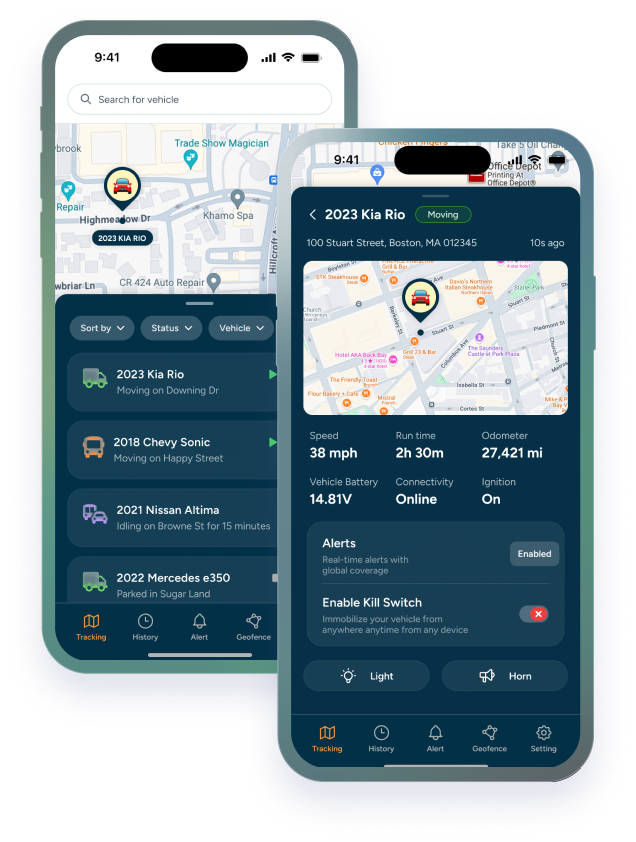

Equipment theft continues to evolve alongside the growth of the rental and construction markets. As fleets expand and equipment becomes more valuable, theft is no longer limited to opportunistic incidents. It is increasingly influenced by organized networks, resale demand, seasonal patterns, and digital fraud.
According to the American Rental Association, equipment theft costs the rental industry approximately $100 million annually in the United States.

Industry reporting consistently shows that recovery rates remain a major concern. Studies referenced by equipment theft databases indicate that recovery rates for stolen heavy equipment can fall below 20–25% without tracking technology. Once equipment leaves a yard or job site, the chance of recovery decreases rapidly without real-time visibility.
The financial impact extends beyond replacement. Insurance claims for stolen equipment can lead to increased premiums and higher deductibles. Repeated losses may also affect long-term underwriting risk, further increasing operating costs for rental companies.
In a business model that depends heavily on asset utilization, even a small number of annual losses can create significant financial ripple effects.
Trend 1: Increasing Asset Mobility
Modern rental fleets operate across multiple job sites, cities, and regions. Equipment is transported frequently, often outside direct company oversight.
This mobility increases exposure. Unlike fixed assets, equipment can be relocated quickly, sometimes within minutes. Once machinery leaves a controlled environment, visibility often decreases unless monitoring systems are in place.
The industry trend toward higher equipment utilization and cross-location deployment has unintentionally expanded theft opportunity windows.
Trend 2: Growth in Organized Distribution Channels
Equipment theft is increasingly linked to organized resale networks. Stolen machinery is often transported, modified, or resold through secondary markets.
Because equipment is high-value and standardized, it can be attractive for resale. The expansion of online platforms has accelerated the speed at which stolen assets can be distributed.
This trend has shifted theft from isolated events toward more structured operations, making early detection increasingly important.
Trend 3: Fraud-Based Rental Activity
Another growing pattern involves fraudulent rentals. Criminals may use stolen identities, fake credentials, or compromised payment information to rent equipment with no intention of returning it.
This method allows thieves to legally obtain possession before relocating assets. Fraud-based theft is particularly challenging because it bypasses traditional yard security and instead exploits administrative processes.
As a result, rental companies are placing greater emphasis on verification systems and post-rental monitoring strategies.
Trend 4: Seasonal Concentration of Theft Activity
Industry monitoring organizations such as the National Equipment Register have observed seasonal variations in equipment theft.
Higher activity periods often align with:
- Peak construction seasons
- Long holiday weekends
- Periods of reduced site supervision
During these windows, job sites may experience temporary staffing reductions, increasing vulnerability. Understanding these seasonal trends allows rental businesses to anticipate risk fluctuations.
Trend 5: Low Recovery Rates Without Visibility
Recovery remains one of the most significant challenges in equipment theft cases.
Industry reporting indicates that recovery rates for heavy equipment without tracking technology can be limited (between 20% to 25%), particularly when assets cross jurisdictions. Time is a critical factor. The longer equipment remains unlocated, the lower the probability of retrieval.
This has led to increased industry focus on real-time monitoring systems as part of broader loss prevention strategies.
Trend 6: Insurance and Risk Implications
Equipment theft trends are also influencing insurance models. Repeated claims can impact underwriting risk assessments, potentially affecting premiums and deductibles.
Because equipment fleets represent substantial capital investments, insurers increasingly evaluate risk mitigation strategies when determining coverage structures.
This connection between theft trends and insurance dynamics is shaping how rental companies approach fleet protection planning.
What Equipment Is Most Frequently Targeted?
Theft data shows that certain categories of equipment are targeted more often due to portability, resale value, and demand.
Compact Construction Equipment
Skid steers, mini excavators, and compact loaders are among the most commonly targeted machines. Their size allows for quick loading and transport, making them attractive to thieves.
Trailers
Equipment trailers are frequent targets because they are often left unattended and can be quickly connected to towing vehicles.
Generators and Light Towers
These units are widely used across construction and rental environments. Their mobility and demand increase their exposure to theft.
Agricultural Equipment
Tractors and similar machinery are often targeted in rural areas due to their high value and accessibility.
Industry theft monitoring organizations, including the National Equipment Register, have documented recurring patterns involving high-demand, portable assets.
Industry Direction: Toward Connected Fleet Visibility
Across the rental sector, digital fleet management is becoming more common. Organizations such as the American Rental Association continue to emphasize innovation, connectivity, and operational data as core components of modern fleet strategy.
The trend is moving toward integrated systems that combine physical security, operational analytics, and real-time visibility. Equipment tracking is increasingly viewed as part of a broader data-driven management framework rather than solely a security tool.
As theft patterns evolve, visibility and responsiveness are becoming central themes in industry risk planning.
The Future of Equipment Rental Security
The trends in equipment rental theft demonstrate a clear pattern: criminals are becoming more organized, equipment is becoming more valuable, and recovery depends increasingly on speed and visibility.
Real-time GPS tracking provided by companies like Trackhawk GPS transforms theft response from reactive to immediate, improving recovery rates, strengthening accountability, and protecting fleet profitability.
In a competitive rental market where utilization, efficiency, and reliability drive success, connected asset visibility is no longer just a security enhancement. it is an operational necessity.