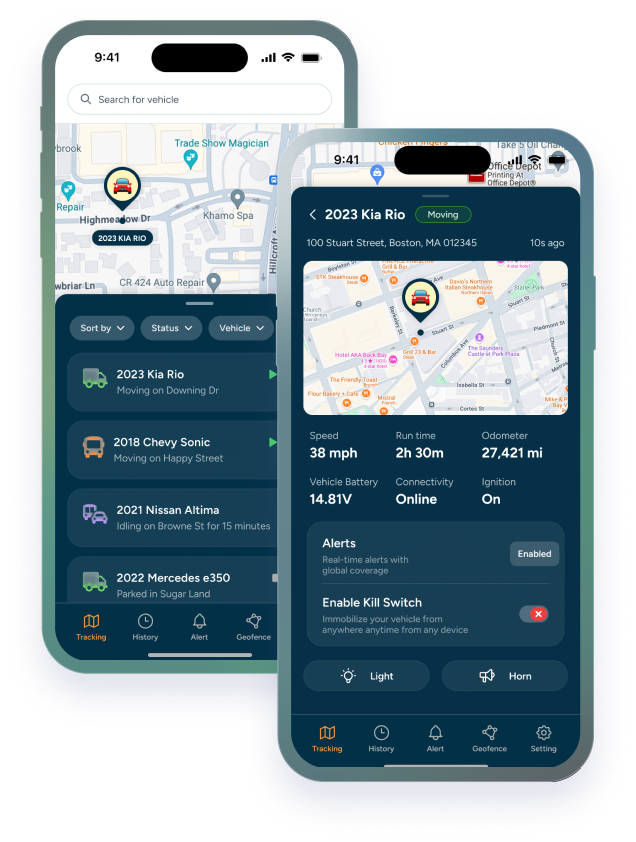

Equipment theft remains one of the most persistent financial challenges facing the rental industry. According to the American Rental Association, equipment theft costs rental companies an estimated $100 million annually in the United States alone. That figure reflects not only the value of stolen machines, but also lost rental revenue, administrative costs, insurance impacts, and recovery expenses.
The problem extends beyond rental yards. Broader industry data from the National Insurance Crime Bureau estimates that construction and industrial equipment theft results in over $1 billion in losses each year in the United States. While this includes both contractors and rental fleets, the financial impact on shared equipment ecosystems is significant.
These numbers highlight a clear reality: equipment theft is not isolated or occasional. It is systemic, recurring, and financially material.

Why Equipment Is an Attractive Target
High Value and Easy Mobility
Modern equipment carries substantial resale value. Compact machines such as skid steers, mini excavators, and generators can be moved quickly and transported without attracting attention. Unlike fixed assets, mobile equipment can leave a site in minutes.
Expanding Secondary Markets
The growth of online marketplaces and cross-regional resale channels has made it easier to move stolen equipment. Once assets leave a controlled yard or job site, visibility often disappears without tracking technology in place.
Limited Immediate Oversight
Rental fleets frequently operate across multiple locations. Without centralized monitoring, equipment may spend nights at customer sites, in transit, or in temporary storage areas. Each transition creates potential exposure.
The Financial Impact on Rental Operations
Reduced Utilization Rates
Rental profitability depends heavily on asset utilization. When equipment is stolen, utilization drops immediately. Even short-term loss affects revenue generation.
Lost Revenue Beyond Replacement Cost
Insurance may cover part of the replacement expense, but it does not compensate for:
- Lost rental income
- Delayed projects
- Customer dissatisfaction
- Administrative time spent filing claims
- Increased insurance premiums
Over time, these indirect costs can exceed the original value of the asset.
Impact on Fleet Planning
Accurate forecasting depends on knowing where equipment is and how it is being used. Theft disrupts inventory balance, scheduling, and delivery planning. For mid-sized and large fleets, even a small number of annual losses can significantly distort operational efficiency.
Recovery Challenges Without Technology
Industry data consistently shows that recovery rates for untracked equipment are low. Once machinery leaves a site, the window for successful recovery narrows quickly.
Delayed reporting reduces the chance of locating assets before they are relocated or dismantled. This time-sensitive factor makes rapid detection critical. Without real-time location intelligence, recovery often becomes difficult, especially when equipment crosses regional boundaries.
How GPS Tracking Strengthens Protection
Real-Time Visibility
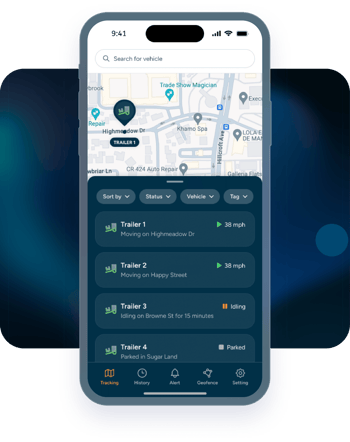
GPS tracking provides continuous location updates, allowing rental managers to monitor equipment movement at all times. This visibility extends protection beyond yard boundaries.
Geofencing and Movement Alerts
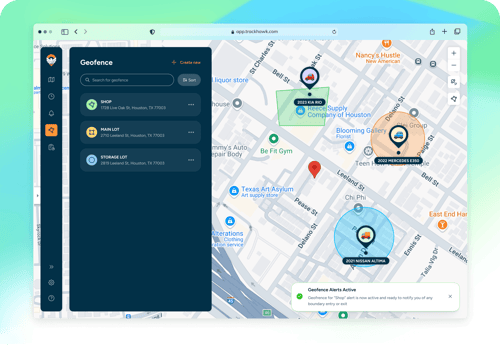
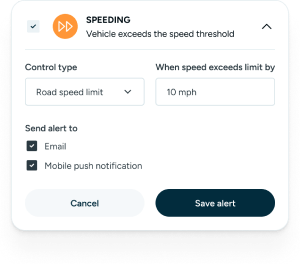
Fleet GPS tracking systems allow companies to set digital boundaries around approved locations. If equipment moves outside those boundaries after hours or without authorization, alerts are triggered immediately. In some cases. Advanced systems like Trackhawk GPS go beyond tracking by offering a remote kill switch that allows owners to disable stolen equipment so it can't be started or operated.
Faster Response Time
Response speed is one of the strongest predictors of recovery success. When law enforcement receives precise location data quickly, coordination improves and retrieval becomes more likely.
Deterrence Effect
Visible tracking systems and warning signage can act as deterrents. Criminals tend to avoid assets that can be traced in real time, reducing the likelihood of targeting tracked equipment.
Beyond Security: Operational Benefits
Improved Asset Accountability
Tracking systems help rental companies confirm that equipment remains at authorized locations and is used according to contract terms.
Enhanced Dispatch Efficiency
Real-time location data improves fleet coordination, helping managers allocate assets more effectively and reduce unnecessary movement.
Data-Driven Fleet Decisions
Long-term tracking data supports better maintenance scheduling, utilization analysis, and asset lifecycle planning. This transforms gps tracking from a security tool into a strategic management platform.
Industry Adoption and the Shift Toward Connected Fleets
Organizations such as the American Rental Association have highlighted the growing role of innovation and digital technology in modern fleet management.
Security is no longer limited to physical measures alone. Fencing, locks, and surveillance remain important components, but they are most effective when combined with connected monitoring systems. Real-time tracking adds a dynamic layer of protection that operates continuously, regardless of location.
As theft continues to represent a measurable financial burden across the rental and equipment ecosystem, technology adoption is becoming less of a competitive differentiator and more of a foundational operational requirement.
Moving From Reactive Loss to Proactive Control
Historically, many rental companies treated theft as an unavoidable cost of doing business. Equipment was replaced, claims were filed, and operations continued.
As equipment fleets continue to expand across multiple locations and job sites, visibility and control are becoming essential components of modern fleet management. Companies that implement connected tracking systems gain the ability to monitor assets in real time, respond quickly to suspicious activity, and make more informed operational decisions.
For rental operators looking to reduce theft risk while improving fleet efficiency, GPS tracking offers a practical and scalable solution.
If you want to explore how connected tracking technology can help protect and optimize your fleet, Trackhawk GPS provides real-time equipment monitoring designed specifically for rental and contractor environments.