
Running a Buy Here Pay Here dealership means you're not just selling cars, you're acting as the lender. Every vehicle on your lot that gets financed is a rolling liability until it's paid off, and the margin for error is thin. One missed payment spiral; one vehicle you can't locate; one repo that takes three weeks instead of three days; these aren't just inconveniences. They're the difference between a healthy portfolio and a write-off.
One missed payment spiral, one vehicle you cannot locate, or one recovery that takes weeks instead of days can turn into a serious portfolio problem. These are not just inconveniences. They can affect cash flow, collections time, recovery cost, and write-off risk.
-1.jpg?width=2240&height=1260&name=Untitled%20design%20(32)-1.jpg)
This audit walks through the four biggest risk exposure points for BHPH dealers, what gaps look like in practice, and what a properly structured GPS and kill switch setup actually fixes.
Do You Know Where Every Financed Vehicle Is?
It sounds like a simple question. It rarely has a simple answer.
Most BHPH dealers can tell you which accounts are current and which are past due. Far fewer can pull up a live map of their entire portfolio and confirm, in real time, that every vehicle is where it should be. That gap between knowing the payment status and knowing the vehicle's physical location is where losses happen.
Consider the scenarios that don't involve outright theft: a customer moves across state lines without notifying you, a vehicle gets parked at a third party's property after a personal dispute, or an engine issue leaves a car sitting at a repair shop you've never heard of. None of these trigger a fraud flag immediately, but all of them complicate recovery if the account goes delinquent.
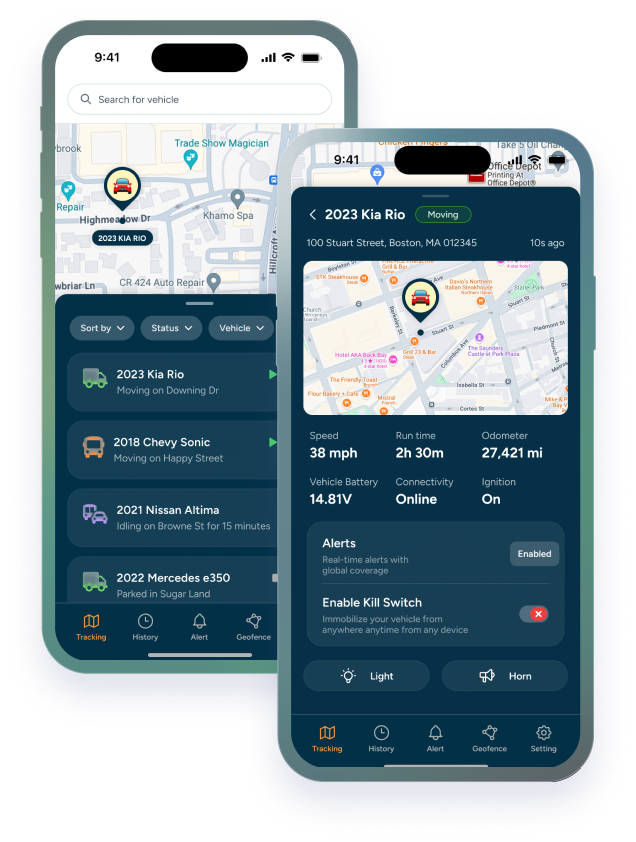
What protected looks like: Every financed unit in your portfolio has a GPS device active and reporting. You can filter your fleet view by account status, so when an account goes past due, you already know the vehicle's location before you make the first collection call. No scrambling, no skip tracing delay, no surprises.
Can You Act Quickly on Missed Payments?
Speed matters in BHPH collections. The longer an account sits delinquent without a response, the further the vehicle may move from your reach.
A typical workflow without integrated tools looks like this: payment misses, a collector makes calls for several days, a field rep is eventually dispatched with an old address, and by the time anyone has a current location, the vehicle may have moved, crossed a state line, or become harder to recover.
GPS tracking changes the leverage equation. When a customer knows the vehicle is tracked and the dealer has a clear process, the dynamic around collections can shift. More accounts may self-cure. Customers who are avoiding calls are less likely to disappear entirely when they know the vehicle can be located.
A starter interrupt, such as the Trackhawk GPS Kill Switch, adds another layer when used responsibly. The ability to prevent a vehicle from starting after proper notice and policy review can create a clear, predictable consequence that motivates resolution. It should not be used as a first response or without reviewing applicable laws and contract terms.
Questions to pressure-test your current process:
- From the moment a payment is missed, how long does it take to have a confirmed vehicle location in front of your collections team?
- Do your collectors call with a location already on screen, or are they calling blind?
- If a customer becomes unresponsive, what is your average time to recovery without a GPS system in place?
- Do you know immediately when a device stops reporting?
- Are your escalation steps documented, or handled case by case?
If any of those answers are measured in days rather than hours, you may have a process gap, and that gap has a dollar value attached to it.
Are You Tracking Usage and Risk Behavior?
Location is the most obvious data point, but it is not the only one that matters for portfolio risk management.
Vehicle usage patterns can serve as early indicators of account risk before a payment is missed. A customer who was driving locally and predictably and suddenly starts logging long trips across state lines represents a different risk profile than they did 30 days ago. A vehicle that stops moving entirely may indicate a breakdown, job loss, or abandonment risk.
Odometer data matters too. High mileage accumulation early in a loan term can reduce collateral value faster than expected. If a customer puts heavy mileage on a vehicle early in the note, your recovery value in a repo scenario may look very different from what you underwrote.
Geofencing gives you another tool: the ability to set a defined radius and receive an alert when a vehicle exits it. For higher-risk accounts, geofencing turns your tracking system from passive to proactive.
What to look for in your current setup:
- Can you pull mileage reports across your portfolio on demand?
- Do you have alerts for unusual movement patterns?
- Are high-risk accounts flagged differently than current accounts in good standing?
- Can you tell when a vehicle leaves an approved area?
- Can you see when a device stops reporting?
If your GPS data is sitting in a dashboard you check occasionally rather than working as an active risk signal, you may be underusing one of your best assets.
Gaps in Your Current Tracking or Recovery Process
Most BHPH dealers who have been in business for more than a few years have some version of a tracking process. The problem is usually not the absence of tools. It is fragmentation.
Here’s what the gap profile looks like in practice for many dealers.
Partial fleet coverage. GPS devices are installed on higher-value inventory, but not on older or lower-cost units. The assumption is that lower-value vehicles represent lower risk, but recovery cost and time can still erase margin.
No integration between GPS and collections workflow. The tracking platform lives in one browser tab and the DMS lives in another. Collectors do not habitually check location before calling, so the data exists but is not operationalized.
Kill switch capability without a clear policy. Some dealers have starter interrupt devices installed but lack written procedures for when and how to activate them. That creates legal exposure and inconsistent use.
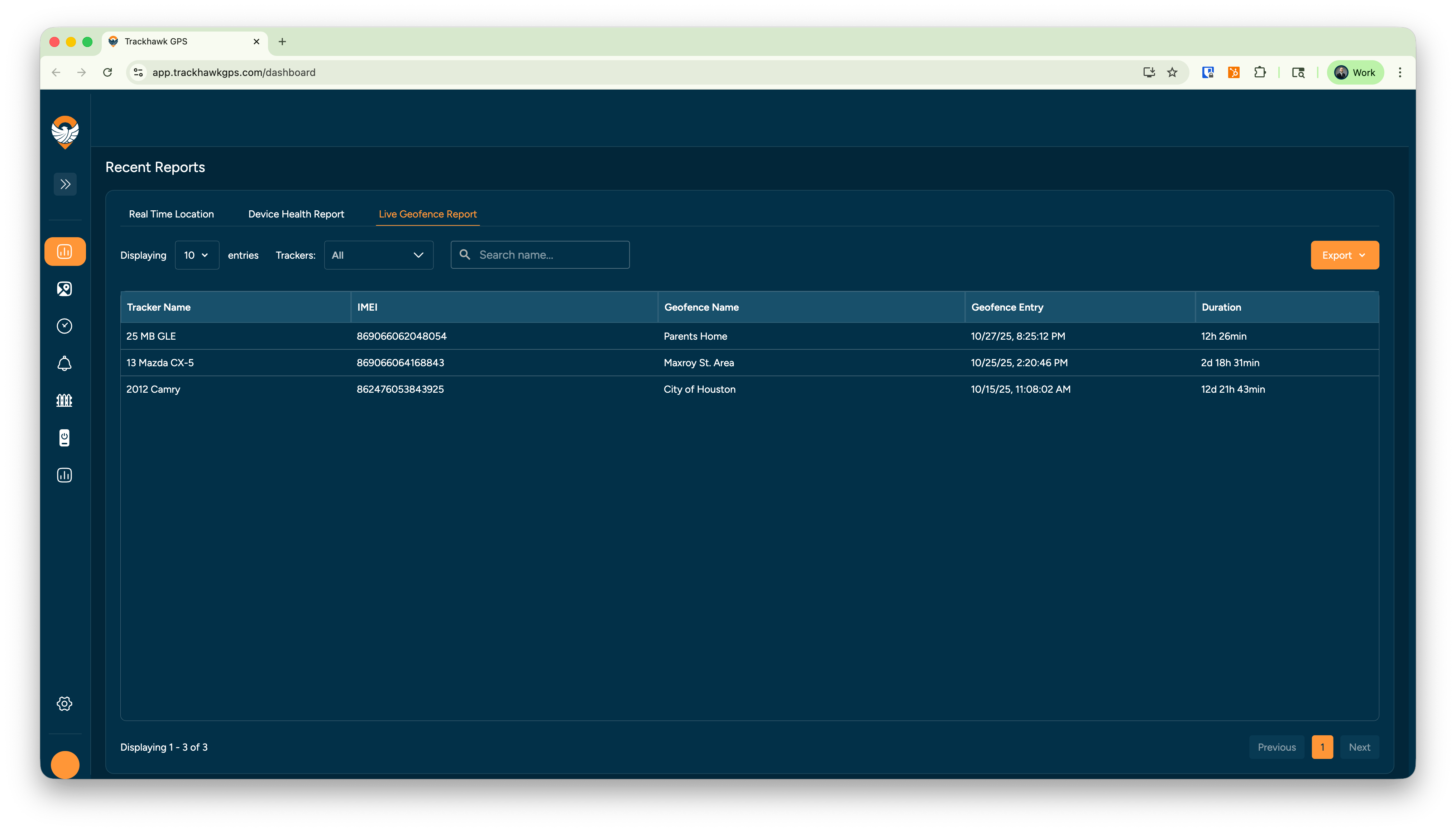
Devices that go offline and no one notices. GPS hardware can lose signal, get tampered with, or have power issues. Without active monitoring, a vehicle can go dark and sit undetected until the account becomes a problem.
Reactive rather than proactive posture. The system is used to find vehicles after a problem develops rather than to identify accounts trending toward risk before a missed payment.
Each of these gaps has a real cost, measured in recovery expenses, written-off balances, and staff time consumed chasing accounts that a better-integrated system could have surfaced sooner.
We’ve put together a quick Audit Checklist to help you review whether your BHPH dealership is fully protected against vehicle and profit loss. Click here to view and download it.
What an Ideal GPS + Kill Switch Setup Looks Like
The goal is not just to have tracking hardware in every vehicle. It is to have a system that actively supports your collections and risk management workflow from the day a vehicle leaves the lot.
Here’s what that looks like end to end.
Installation at point of sale. The GPS device is installed before the vehicle is delivered, and the customer is informed as part of the financing agreement. No gaps in coverage from day one.
Real-time location with portfolio-level visibility. Your collections team can view the active portfolio on a map, filtered by account status. Past-due accounts are immediately visible by location without requiring manual lookup.
Automated alerts tied to account triggers. When a payment goes past due by a defined number of days, the system can generate an alert with the vehicle’s current location. Your collector has that information before the first outbound call.
Geofencing on flagged accounts. Higher-risk accounts can have a defined travel perimeter. Any exit from that zone triggers a notification, giving your team early warning before a situation escalates.
Starter interrupt with documented activation protocol. Kill switch capability should be supported by a written policy that defines when it can be used, what notice is required, and how it fits into your collections escalation process.
Device health monitoring. Active alerts for devices that stop reporting help you know when a unit goes offline, rather than discovering it weeks later.
Mileage and usage reporting. Regular mileage reports across the portfolio help flag accounts where vehicle usage is significantly above expectation.
When all of these components work together, your collections team is not just reacting to problems. They are staying ahead of them.
How Trackhawk Helps Close the Gaps
Trackhawk GPS helps BHPH dealers connect vehicle location, account risk, geofencing, alerts, and Smart Kill Switch technology in one platform.
That matters because disconnected tools slow your team down. If GPS data, account status, device health, and starter-interrupt controls live in separate places, your collections process becomes harder to manage and harder to document.
With Trackhawk, dealers can build a more consistent workflow around:
- Real-time GPS tracking
- Portfolio visibility
- Geofencing
- Tamper and device health alerts
- Starter-interrupt support
- Location history
- Dealer-focused risk management
- Business tracking software
For a broader look at the dealer solution, visit Trackhawk’s BHPH GPS Tracking page.
Book a Risk Assessment with Trackhawk GPS
If this audit surfaced gaps you recognize in your own operation, the next step is a direct look at your specific setup. Trackhawk GPS works with BHPH dealers to evaluate current tracking and recovery infrastructure, identify coverage gaps, and build a GPS and kill switch configuration that fits how your collections team actually works.
There is no generic answer. Portfolio size, deal volume, geographic spread, current process, and existing systems all affect the right setup.
Book a call with the Trackhawk GPS sales team to understand how we can help. We’ll walk through your current process, show you what a more integrated system can look like, and help you identify where your portfolio risk stands today.