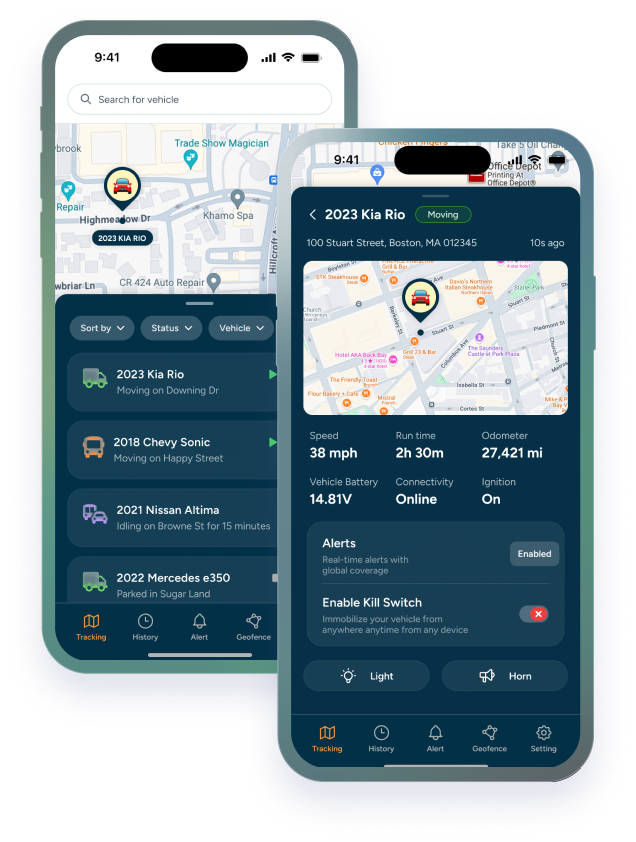

The adoption of GPS fleet tracking, which uses connected devices and software to show vehicle location, status, and activity, is transforming how small business fleets operate. For business owners and fleet managers, these solutions are vital for tackling daily challenges including operational inefficiency, asset security, and compliance.
As the demand for small business fleet solutions and fleet management software continues to grow, buyers face a crowded market with many options.
But what should you really look for before buying?
TL;DR / Key Takeaways
- Start with the business problem you need to solve before comparing devices or pricing.
- Prioritize features like real-time tracking, geofencing, driver behavior alerts, and maintenance reminders based on your fleet’s daily workflow.
- Make sure the hardware and software work together so your team can act on the information.
- Ask about installation, support, and scalability before committing.
- Avoid paying for extras that do not fit your vehicles, assets, routes, or risk profile.
This guide is written for small business owners, fleet managers, and operators comparing GPS tracking for company vehicles, drivers, and assets. It’s a fit when you need better visibility, stronger asset security, or a clearer way to manage day-to-day fleet activity without buying tools your team will not use.
Start With the Business Problem You Need to Solve
Every small business fleet faces its own set of challenges—whether it’s missed deliveries, unauthorized vehicle use, or not knowing which driver is closest to a customer. The first step isn’t to compare devices or price points, but to pinpoint the core problems GPS tracking should address for your business.
The most effective GPS tracking investments start with a clear understanding of what you need to solve.
For example, a 10-vehicle service fleet that implemented GPS tracking recovered significant monthly savings in fuel waste, labor leakage, and maintenance costs, achieving an impressive return on investment within the first 90 days.
Additionally, GPS tracking has played a key role in dramatically lowering theft incidents and aiding rapid asset recovery for many small fleets.
Start by listing the top two issues you want to resolve, such as improving delivery times, preventing after-hours vehicle use, or reducing operating costs. From there, explore how our business GPS tracking can directly address those challenges.
What Features Small Business Fleets Should Compare
Not all GPS tracking solutions are the same. The features you need will depend on your business model and operational priorities, so it’s important to focus on what matters most for your fleet.
Real-time location tracking and route optimization are among the most valued features for small businesses, enabling enhanced efficiency and customer service. Surveys consistently show users find GPS fleet tracking extremely beneficial, with improved efficiency and reduced harsh driving events being top outcomes.
Here’s what to prioritize:
- Real-time location and status updates for every vehicle
- Geofencing technology for setting virtual boundaries
- Driver behavior analytics to reduce risky driving, improve compliance with safety regulations, and potentially lower insurance premiums
- Automatic maintenance alerts to minimize downtime
Intuitive mobile and web access for on-the-go management is also critical for busy teams.
If robust reporting, route analysis, or custom alerts are important for your operations, review the available software features to make sure the solution fits your needs. Always compare features by business use case rather than by a generic checklist—what’s essential for a delivery fleet might be overkill for a landscaping business.
Match the Solution to Your Fleet Type
A small business fleet may include delivery vehicles, service trucks, rental vehicles, trailers, equipment, or a mix of assets. The right setup should match how each vehicle or asset is used, how often location updates matter, and what kind of alerts your team actually needs.
For higher-risk vehicles, dealer inventory, or BHPH fleet decisions, it can also help to compare GPS tracking and kill switch systems before choosing hardware, software, and support.
Hardware and Software Should Work Together
Choosing a GPS tracker isn’t just about the hardware; it’s about how well the device and software platform work together to deliver actionable insights. When these components are integrated, you get a system that’s simple to use, reliable, and powerful.
|
Feature |
Standalone Device |
Integrated Solution |
|
Data Collection |
Location only |
Location, driver behavior, diagnostics |
|
Update Frequency |
Manual or periodic |
Real-time, continuous |
|
User Interface |
Limited or basic |
Full-featured, customizable dashboard |
|
Reporting/Alerts |
Minimal or delayed |
Automated, real-time, actionable |
|
Support/Service |
Hardware-focused only |
End-to-end, including installer support |
Integrated GPS hardware and software solutions can lead to dramatic improvements in fleet utilization and efficiency, and fleets using these solutions often report a noticeable reduction in accident costs.
Choosing a scalable, integrated solution also means your fleet technology can adapt as your business and operational needs evolve.
Before you buy, ask what’s included in the business pricing or plan. Are you getting full access to both hardware and software features, or will you need to pay extra for certain capabilities?
What to Ask About Installation and Support
It’s a common concern: “Will installing GPS tracking disrupt my business or require specialized expertise?” The answer depends on the complexity of your fleet and the provider’s support.
Comprehensive customer service and installer support are critical for successful system implementation, keeping downtime minimal and problems resolved quickly. When evaluating vendors, ask:
- Is professional installation included, or is it do-it-yourself?
- Are there detailed guides and support resources available?
- How quickly can you get help if a device fails or needs troubleshooting?
- Who is your point of contact after purchase?
For fleets with hardwired devices or multiple vehicles, installer support can make the difference between a smooth rollout and weeks of frustration.
Look for providers offering 24/7 live support and lifetime warranties to minimize business interruptions.
Always clarify your installation needs before making a decision.
How to Avoid Buying More Than You Need
It’s easy to get overwhelmed by feature lists and upsells, but the best investment is one that’s carefully matched to your actual business needs.
The right GPS tracking solution is the one that fits your workflow and risk profile—nothing more, nothing less.
Many small businesses avoid wasted spending by right-sizing their GPS fleet tracking purchases, focusing on features aligned with their operational needs. Consider the number of vehicles, type of assets, route complexity, and after-hours use.
If you don’t need real-time streaming video or advanced analytics, don’t pay for them.
Transparent pricing models can help make sure you only invest in the features that deliver measurable value. For a closer look at operational fit, see Mobile Fleet Tracking.
Turn the Buying Decision Into a Simple Checklist
Ready to make a confident decision? Use this checklist to evaluate GPS tracking options for your small business fleet:
- Define your main business problems (e.g., theft, route optimization, compliance)
- List must-have features (real-time tracking, geofencing, driver monitoring)
- Confirm hardware and software integration (ask about bundled pricing and full feature access)
- Assess installation and support resources (availability of installer support, customer service)
- Avoid unnecessary extras (don’t overbuy features you won’t use)
- Check for scalability and integration (can the system grow with your business and connect to other tools?)
- Evaluate ROI potential (many businesses see benefits within the first year)
Many small businesses achieve a positive ROI from GPS fleet tracking in less than a year, and it’s important to choose a solution that offers scalability and integration for growth.
If you’re unsure which solution best matches your business, start by reviewing our business GPS tracking options or reach out for expert guidance based on your fleet size and goals.
If you have unique requirements, consider speaking directly with a Smart Tracking Expert to tailor your solution.
Frequently Asked Questions
What should a small business look for in a GPS fleet tracking solution?
Start with the problems you need to solve, then compare features like real-time location tracking, geofencing, driver behavior alerts, maintenance reminders, reporting, installation support, and pricing. The strongest small business fleet solutions are usually the ones that fit your actual workflow rather than the longest feature list.
Do all small fleets need advanced GPS tracking features?
Not always. Some teams need real-time alerts, route history, and driver behavior tools, while others may only need basic location visibility, geofencing, or maintenance reminders.
Why does hardware and software integration matter?
Hardware collects the vehicle or asset data, while the software helps your team view, understand, and act on it. Good fleet management software makes tracking information easier to use for dispatching, reporting, maintenance, and daily decision-making.
What installation questions should fleet managers ask before buying?
Ask whether installation is do-it-yourself or handled by a professional, whether guides are available, how support works after purchase, and who to contact if a device needs troubleshooting.