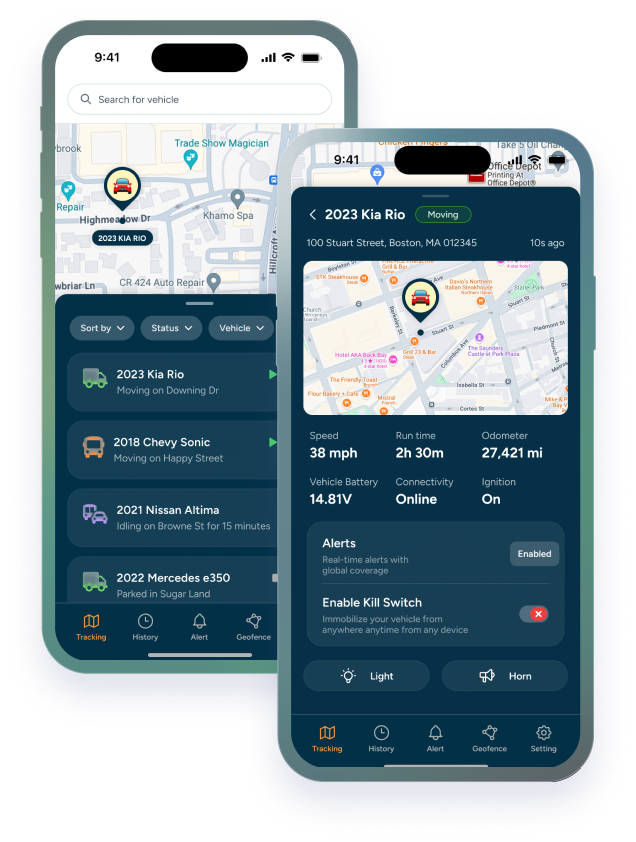

Construction companies face a persistent and costly threat: equipment theft. In the United States alone, annual losses from stolen construction equipment are estimated between $300 million and $1 billion, with over 11,000 reported incidents each year. These figures highlight why GPS tracking for construction equipment is essential for asset protection and business continuity.
We empower businesses with GPS tracking for assets to monitor, secure, and recover valuable machinery across multiple job sites. With theft rates on the rise and average losses per incident ranging from $6,000 to $30,000, smart tracking solutions are a necessity rather than a luxury.
GPS tracking for construction equipment uses connected devices and software to help businesses see where machines, trailers, and other jobsite assets are, when they move, and whether they leave approved areas.
This article is for contractors, equipment rental teams, fleet managers, and business owners who need better visibility across jobsites. It is a fit when high-value machinery, non-powered assets, or shared equipment are difficult to monitor manually.
TL;DR / Key takeaways:
- Construction equipment tracking has different requirements than standard vehicle tracking because assets may sit idle, move between jobsites, or lack built-in security.
- GPS tracking can help monitor unauthorized movement, after-hours activity, and assets leaving approved jobsite boundaries.
- Equipment owners should evaluate durability, power options, connectivity, geofencing, tamper detection, and software fit before choosing a setup.
- Geofencing and alerts support faster response when valuable assets move unexpectedly.
- An asset tracking plan works best when it is built before equipment goes missing.
Why Construction Equipment Tracking Is Different From Vehicle Tracking
Unlike fleet vehicles that follow predictable routes and schedules, construction equipment often sits idle on open job sites, moves between locations, and is operated by multiple users. This includes not only heavy machinery but also non-powered assets like trailers and generators, which are especially vulnerable due to their lack of built-in security features.
Construction sites present asset tracking challenges that traditional vehicle workflows don’t address.
That’s why asset GPS tracking must account for jobsite movement, after-hours vulnerability, high equipment value, and the complexities of managing assets in dynamic environments. Owners should assess which machines are hardest to locate or protect today and prioritize these for enhanced monitoring with a dedicated asset GPS tracking solution.
The Risks GPS Tracking Can Help a Business Monitor
It’s a question nearly every equipment owner faces: what real business risks can GPS tracking actually help you control?
The answer is clear. GPS tracking systems are not just about location data. They help monitor unauthorized movement, alert teams when assets leave a job site, detect equipment sitting unused for extended periods (which can contribute to unnecessary costs and maintenance issues) and capture after-hours activity that could signal misuse or theft. For many construction businesses, implementing GPS solutions can potentially drive an estimated 40% to 60% reduction in equipment theft and loss.
This means faster response times, fewer workflow disruptions, and more successful recoveries. Some systems have also shown a 69% recovery rate for stolen equipment equipped with tracking technology, compared to much lower rates without it.
When reviewing your operation, build a priority list by asset value and risk—focusing GPS resources on your most vulnerable equipment. If you’re looking to expand oversight across the fleet, consider the benefits of business GPS tracking plans for a scalable approach.
What Equipment Owners Should Look For in a Tracking Setup
Selecting the right GPS tracking setup involves more than picking a device off the shelf. Here’s what equipment owners should evaluate to maximize protection and ROI:
- Durability: Look for devices with at least an IP67 rating for dust and water resistance. Construction environments can be tough, so rugged hardware is essential.
- Power Options: Choose between hardwired, battery-powered, or solar-powered units based on the type of equipment to be tracked.
- Connectivity: LTE Cat 1 or LTE Cat M compatibility ensures reliable, real-time data transmission.
- Geofencing and Tamper Detection: Smart GPS solutions should offer customizable geofence boundaries and alerts for tampering or removal.
- Platform Integration: Seamless integration with asset tracking software for construction streamlines management, reporting, and maintenance scheduling, helping to prevent unexpected breakdowns and keep projects running smoothly.
For a deeper dive into device options and installation tips, explore our guide to GPS Devices for Equipment Tracking.
Choosing the right features now can help reduce downtime and extend equipment lifespan.
How Tracking Data Supports Construction Fleet Decisions
For construction teams managing trucks, trailers, and equipment together, tracking data can help show where assets are assigned, when they move, and which items may be sitting idle. This supports better dispatch, maintenance planning, and mobile fleet tracking decisions without relying only on phone calls or manual site checks.
Before comparing asset tracking software for construction, look at the criteria already covered in this guide: durability, power options, connectivity, geofencing, tamper detection, and platform integration.
How Geofencing and Alerts Support Field Operations
Too often, equipment managers rely on manual checks or basic tracking to monitor assets—a method that leaves room for error and delayed responses. Geofencing for construction sites transforms this process by automatically alerting managers when equipment crosses virtual jobsite boundaries or moves after hours.
Key takeaway: Real-time equipment monitoring supported by geofencing helps teams respond rapidly to suspicious movement, reducing theft risk and supporting operational efficiency. Additionally, having movement history can simplify insurance claims and disputes.
While precise industry stats on geofence-initiated recoveries are limited, geofencing significantly enhances theft prevention and recovery efforts by enabling immediate action.
Defining jobsite boundaries and key movement events can make all the difference in protecting your most valuable assets. For more on how to implement these solutions, review available equipment and asset tracking solutions.
When Immobilization or Hardwired Installation May Matter
Some high-value equipment or frequently relocated assets require more than just tracking—they need the ability to be remotely disabled in case of unauthorized use or theft. Immobilization features allow owners to prevent machinery from operating outside approved times or locations, while hardwired trackers provide continuous power and real-time updates, making them ideal for powered equipment.
Advanced GPS features such as immobilization can play a critical role in asset security and compliance with company policies. Hardwired installation is also recommended for assets that require uninterrupted monitoring and integration with broader construction site security systems.
If installation is a concern, GPS Kill Switch / Immobilization options are available, and the Installer Locator can offer support for complex setups. Be aware that use of immobilization features may be regulated in certain regions, so always confirm compliance with local laws and industry best practices.
Always assess whether your risk profile warrants these advanced features.
Build an Asset Tracking Plan Before Equipment Goes Missing
The most successful construction and rental companies don’t wait for a loss—they proactively build an asset tracking plan that includes inventory, risk assessment, alert setup, and ongoing support.
Here’s a simple process to get started:
- Inventory Assets: Identify all equipment, vehicles, and high-value tools that should be tracked.
- Assess Risk: Prioritize assets based on value, theft risk, and operational criticality.
- Define Boundaries: Set up geofencing and alert parameters tailored to each job site.
- Choose the Right Tech: Select tracking devices and platforms that fit each asset’s usage and risk profile.
- Maintain and Review: Regularly check system health, update alerts, and train staff on response protocols.
Insurance providers may offer reduced premiums to businesses with proactive GPS tracking plans, providing further cost savings and improving risk profiles.
Bottom line: GPS tracking has been shown to improve equipment utilization by 10% to 20% while reducing theft and loss by up to 60%.
Taking action before an incident occurs can save thousands and keep your projects on track.
Frequently Asked Questions
What types of construction assets can be tracked?
Businesses can track heavy machinery, trailers, generators, vehicles, high-value tools, and other jobsite assets. The right setup depends on whether the asset is powered, non-powered, frequently moved, or exposed to tough outdoor conditions.
How does GPS tracking help reduce construction equipment theft?
Asset GPS tracking helps teams monitor location, unauthorized movement, after-hours activity, and assets leaving approved areas. Those alerts can support a faster response when equipment moves unexpectedly.
Why does geofencing matter on construction sites?
Geofencing for construction sites lets managers set virtual boundaries around jobsites, storage yards, or approved work zones. When equipment crosses those boundaries or moves after hours, the team can be alerted quickly.
When should a business consider hardwired tracking or immobilization?
Hardwired tracking may be a good fit for powered equipment that needs continuous monitoring. Immobilization may matter for high-value assets or equipment at greater risk of unauthorized use, but businesses should confirm legal and policy requirements before using those features.