
The phrase “Kill Switch Law” is often used online to describe Section 24220 of the Infrastructure Investment and Jobs Act. More accurately, the law directs the National Highway Traffic Safety Administration to develop a federal safety standard for advanced impaired-driving prevention technology in new passenger vehicles. NHTSA’s advanced impaired-driving prevention technology rulemaking focuses on safety performance requirements, technology readiness, and how future systems could detect or prevent impaired driving. It is not the same thing as an aftermarket GPS kill switch, starter interrupt device, or fleet immobilization system.
That distinction matters. The federal rulemaking is focused on impaired-driving prevention technology in new vehicles. Businesses that manage fleets, rental vehicles, BHPH inventory, leasing portfolios, or high-value assets still need tools that support tracking, alerts, location history, geofencing, and authorized immobilization workflows. A vehicle safety mandate does not replace the operational role of a GPS Kill Switch.
This article explains what the law is meant to address, what it does not cover, and why GPS trackers with kill switch functionality remain relevant for business vehicle management.
What Does the Kill Switch Law Actually Do?
Section 24220 is about advanced impaired-driving prevention technology. It directs NHTSA to create a standard for passive systems that can detect or prevent impaired driving. NHTSA’s rulemaking process has focused on performance requirements, technology readiness, testing, and how this type of safety technology could be implemented in future vehicles.
The important point is that this law is not a commercial fleet tracking system. It is not designed to manage rental contracts, BHPH payment risk, vehicle recovery, geofence exceptions, driver behavior alerts, or asset security.
Key Functions Being Discussed
The federal impaired-driving prevention mandate is generally focused on:
- Impaired driving prevention: Detecting signs of impairment through passive technology.
- Vehicle safety intervention: Preventing or limiting operation when impairment is detected.
- Public safety: Reducing crashes related to impaired driving.
Those goals are important, but they are narrow. They do not replace the need for business tools that help owners and operators manage vehicles across real-world commercial scenarios.
What the Law Does Not Do
The law does not give a business a dashboard for managing a fleet. It does not show where a rental car is. It does not tell a BHPH dealer whether a financed vehicle has crossed state lines. It does not provide a maintenance report, driver behavior history, route data, or tamper alert.
It also does not replace the need for installation planning, contract disclosure, state-specific compliance review, or responsible internal policies around starter interrupt use.
For businesses, the key question is not only “Can a vehicle be stopped from operating?” It is “Can we see, manage, protect, and act on the vehicle responsibly when something goes wrong?”
That is where GPS tracking and starter-interrupt technology still serve a different role.
Why the Kill Switch Law Won’t Replace GPS Trackers with Kill Switch Functionality
The Kill Switch Law addresses impaired driving. GPS trackers with kill switch functionality address operational control, asset protection, and business visibility.
Here’s why the two should not be confused.
1. Real-Time Tracking and Fleet Management
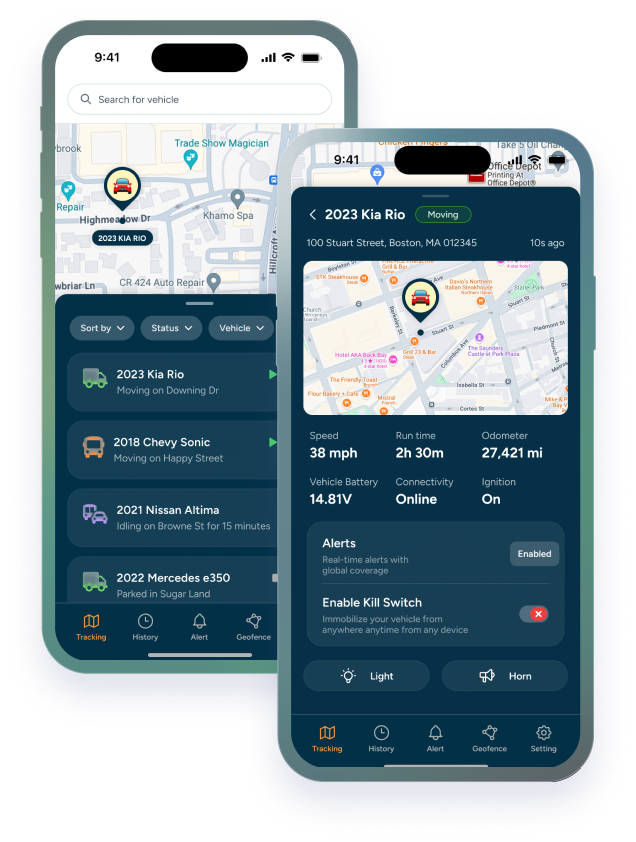
GPS trackers with kill switch functionality can provide real-time vehicle location, trip history, movement alerts, and dashboard visibility across multiple vehicles. The federal impaired-driving mandate does not provide these fleet management capabilities.
For a business with vehicles across multiple routes, lots, drivers, or customer locations, GPS tracking is what creates day-to-day visibility. That visibility supports dispatching, recovery, accountability, route review, and operational planning.
2. Theft Recovery and Authorized Immobilization
An impaired-driving prevention system is not designed to help a business recover stolen or misused vehicles. A GPS tracker can provide real-time location data, while a starter interrupt system can help prevent a vehicle from being restarted under authorized, controlled conditions.
The safest systems do not shut down a vehicle at highway speed. They are designed around controlled immobilization, usually preventing restart when the vehicle is stopped or parked. This safety distinction matters for fleets, dealers, and rental operators.
3. Unauthorized Usage and Fleet Control
Rental companies, service businesses, delivery fleets, and BHPH dealers often need to know when a vehicle leaves an approved area, moves after hours, or is used in a way that violates company policy.
The federal law is not intended to monitor business usage rules. GPS tracking fills that gap by providing geofencing, movement alerts, location history, and account-level visibility.
For rental operators, Trackhawk’s Rental Vehicle GPS Tracking page explains how tracking can support vehicle visibility, misuse detection, and recovery workflows.
4. BHPH and Dealer Risk Management
BHPH dealers and used car dealers carrying their own paper need a system that supports payment-risk workflows, recovery, and responsible starter-interrupt policies. The federal impaired-driving mandate does not handle these dealer-specific needs.
A dealer-focused setup may include location visibility, payment-related alerts, documented communication, recovery support, and starter interrupt procedures that are reviewed for state and contract requirements. Trackhawk’s BHPH GPS Tracking page is the more relevant hub for those use cases.
5. Driver Behavior and Business Reporting
Many GPS tracking platforms include driver behavior monitoring, route history, idling alerts, speeding alerts, maintenance reminders, and reporting. These tools help business owners understand how vehicles are used and where operations can improve.
The Kill Switch Law is not a reporting system. It does not replace fleet software, business dashboards, maintenance alerts, or vehicle usage analytics.
For broader platform capabilities, Trackhawk’s GPS Fleet Tracking Software page shows how tracking, alerts, geofencing, and reporting work together.
The Value of GPS Trackers with Kill Switches for Businesses
GPS trackers with kill switch functionality remain useful because they solve business problems the federal impaired-driving mandate does not address.
They can support:
- Fleet management: See vehicles, routes, alerts, and history from a central dashboard.
- Rental vehicle protection: Monitor unauthorized movement, contract violations, and recovery scenarios.
- BHPH risk management: Support payment-risk workflows, vehicle location visibility, and responsible starter interrupt use.
- Leasing and asset protection: Maintain visibility into vehicles and high-value assets throughout the contract period.
- Security response: Combine tamper alerts, geofencing, and location visibility with immobilization capability.
The best use of this technology is not random disabling or aggressive enforcement. It is structured, documented, and tied to clear business policies.
Compliance and Safety Considerations
Kill switch and starter-interrupt use can involve state laws, contract terms, notice requirements, driver safety, privacy, and customer communication. Businesses should not treat any article as legal advice.
Before deploying GPS tracking or immobilization technology, review:
- State and local rules
- Customer contract language
- Required disclosures
- Internal authorization policies
- When and how immobilization may be used
- Re-enable procedures
- Driver and public safety protections
- Privacy and data handling rules
A responsible system should support visibility and control without encouraging unsafe or unauthorized use.
What to Watch as the Rulemaking Evolves
Because this topic is still developing, businesses should separate headlines from implementation details. Public debate often uses the phrase “kill switch” broadly, but the actual regulatory work is about impaired-driving prevention technology and future vehicle safety standards.
As NHTSA continues its process, business operators should watch for:
- The final performance standard and effective dates
- Which vehicle categories are covered
- How manufacturers are expected to comply
- Whether the technology affects new vehicles only
- How privacy, data, and safety concerns are addressed
- Whether any implementation timeline changes
Even if future vehicles include advanced impaired-driving prevention systems, businesses will still need dedicated tools for fleet management, asset recovery, driver accountability, geofencing, BHPH risk workflows, and rental vehicle control. Those business problems are separate from the law’s impaired-driving safety objective.
Conclusion
The Kill Switch Law is focused on impaired-driving prevention in new vehicles. It does not replace GPS tracking, fleet management, geofencing, recovery support, driver behavior monitoring, or business-grade starter interrupt workflows.
For companies managing vehicles, the need for smart GPS solutions remains clear. Trackhawk GPS helps businesses combine tracking, alerts, software access, and Smart Kill Switch technology so they can protect valuable assets and stay focused on operations.
A federal safety mandate may change future vehicle technology, but it does not eliminate the need for dedicated GPS tracking and immobilization tools for fleets, rental vehicles, BHPH dealers, and business assets.