
Field service teams face daily pressure to meet customer expectations, minimize costly delays, and adapt to unpredictable schedules. Fleet GPS tracking and real-time vehicle tracking are now fundamental to efficient operations, not just optional add-ons. These solutions help reduce fuel consumption, cut maintenance costs, and elevate customer satisfaction by providing the insight needed to stay competitive and deliver on promises.
Fleet GPS tracking is the use of GPS devices and software to show where vehicles are, how they are being used, and what action managers may need to take. This article is for field service owners, operations leaders, and dispatchers who need better visibility across technicians and vehicles. It is a fit when delays, after-hours use, missed appointments, or unclear vehicle activity are creating daily management problems.
TL;DR / Key Takeaways
- Real-time visibility helps field service teams reduce guesswork, missed appointments, and route delays.
- Owners should be able to see live locations, route history, driver behavior, maintenance alerts, and fuel trends at a glance.
- GPS tracking supports better dispatch decisions by helping teams assign work based on proximity and availability.
- Alerts can reduce management blind spots by flagging after-hours movement, speeding, harsh driving, and overdue maintenance.
- Choosing the right system means looking beyond price and focusing on reliability, support, reporting, and transparent pricing.
Why Field Service Teams Need Real-Time Visibility
Field service companies must overcome challenges like late appointments and vehicles that disappear from view. Without real-time oversight, dispatchers are left guessing, while after-hours vehicle use or route delays can disrupt operations.
Simply put, a lack of visibility leads to missed opportunities and unhappy customers.
Real-time tracking also helps deter theft and catch unauthorized after-hours vehicle use. Implementing GPS tracking can enable 24/7 dispatch operations, producing faster response times with accurate ETAs, reducing missed appointments, and improving reliability for both teams and clients.
For more on business GPS tracking solutions tailored to field service operations, visit business GPS tracking.
What Owners Should Be Able to See at a Glance
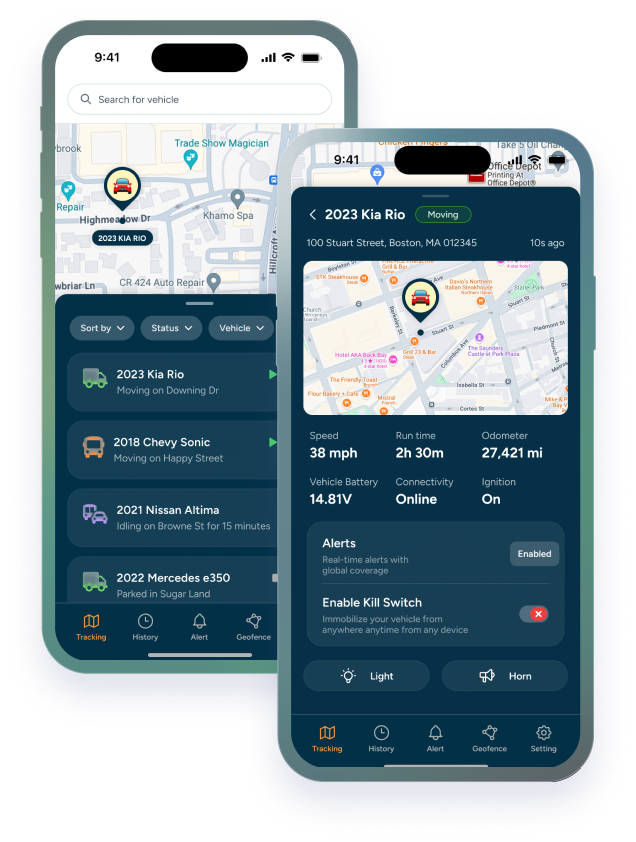
Owners and managers shouldn’t need to chase down information or deal with clunky dashboards. Modern GPS fleet monitoring software provides a clear view of everything that matters: live vehicle location, route history, recent stops, idle time, driver behavior analytics, maintenance alerts, and fuel consumption trends—all accessible via web or mobile.
- Live Tracking: Instantly see where every vehicle is, minimizing guesswork and enabling rapid response.
- Route History: Audit routes to confirm service completion, optimize future assignments, and investigate delays.
- Driver Behavior: Use driver behavior analytics to spot risky actions and coach for safety.
- Maintenance Visibility: Automated reminders help prevent breakdowns, reduce unplanned downtime, and lower maintenance costs.
- Custom Dashboards: Tailor views and reports to what matters most each day.
Implementing a real-time dashboard empowers teams to respond more quickly to emergency calls, directly improving service quality.
To learn about the latest software features that drive these benefits, see software features.
How GPS Tracking Supports Better Dispatch Decisions
It’s a question nearly every operations leader faces: How can we get the right technician to the right place, fast, without relying on endless calls and texts?
The answer is immediate access to accurate location data. When real-time fleet management platforms are in place, companies see fewer missed delivery windows and reduced fuel costs thanks to smarter dispatch and routing.
For field service teams, this means dispatchers can assign jobs based on proximity and availability, respond to customer inquiries confidently, and adapt routes in real time. This improves both service quality and operational control.
Accurate tracking also streamlines billing, ensuring technicians’ time is accounted for and reducing administrative errors.
What really matters is that real-time vehicle tracking turns guesswork into actionable insights, so dispatch decisions become fast, accurate, and repeatable.
For additional strategies, see mobile fleet tracking.
Where Field Service GPS Tracking Fits Day to Day
For field service operations, GPS tracking is most useful when it supports the routine decisions teams already make: which technician is closest, which route makes sense, and whether a vehicle is being used as expected.
That makes telematics for field service less about watching dots on a map and more about giving managers a practical view of vehicle location, driver activity, maintenance needs, and service history in one place.
How Alerts Can Reduce Management Blind Spots
Even the best managers can’t watch every vehicle all day. Geofence alerts and exception notifications shift the focus from constant monitoring to smart, actionable moments.
Fleets that deploy after-hours geofencing see a substantial reduction in unauthorized vehicle use within the first month.
With alert-driven systems, managers receive instant notifications for after-hours movements, speeding, harsh driving, or overdue maintenance, enabling intervention only when it truly matters.
This also supports compliance with safety and operational regulations. For teams evaluating additional vehicle control tools, this overview of kill switch law explains related considerations in a general way.
As we often say: Real-time tracking means your vehicles, shipments, and high-value assets report where they are and how they’re doing—right now—via GPS and connected sensors.
To explore how alert features can transform your oversight, learn more about software features.
What to Avoid When Choosing Field Service Tracking
It’s tempting to focus on price or a flashy feature list when evaluating tracking solutions. But this can lead to limited reporting, unreliable data, hidden fees, and poor support.
These mistakes can result in operational disruptions, lost assets, or unexpected expenses that far outweigh any initial savings.
In some cases, compliance failures from unreliable systems can result in fines or legal challenges for your business.
The smart move? Prioritize reliability, support quality, transparent pricing, and a track record of success with field service fleets. Not all GPS fleet monitoring software or telematics for field service is created equal—so be sure to match capability to your real business needs.
For teams considering additional vehicle security options, this guide on how to install a kill switch on a car explains basic installation considerations.
The Practical Next Step for Field Service Owners
Too many businesses delay the move to modern GPS tracking, not realizing the rapid payoff and operational control it provides.
Key takeaway: Many GPS tracking users report a positive return on investment within the first year, driven by fuel savings, theft reduction, and improved asset utilization.
Making the shift to fleet GPS tracking and smart, real-time visibility means you don’t just react—you proactively manage, optimize, and protect your field service operations.
Now is the time to review your options and evaluate solutions based on your team’s unique size, workflow, and customer demands.
If you’re comparing field service tracking options, start by mapping where visibility, dispatch control, alerts, and support would make the biggest difference for your team.
Frequently Asked Questions
What does GPS tracking help field service teams see?
It helps managers view live location, route history, recent stops, idle time, driver behavior, and maintenance alerts so they can make faster day-to-day decisions.
How can real-time vehicle tracking improve dispatch?
Real-time vehicle tracking gives dispatchers current location data, which helps them assign jobs based on proximity and availability instead of relying on calls and texts.
What alerts matter for field service fleets?
Useful alerts include after-hours movement, geofence activity, speeding, harsh driving, and overdue maintenance, especially when managers need to focus on exceptions instead of constant monitoring.
What should owners look for in GPS fleet monitoring software?
Owners should look for reliable data, clear reporting, support quality, transparent pricing, and features that match the way their field service team actually works. GPS fleet monitoring software should make key information easy to act on, not harder to manage.