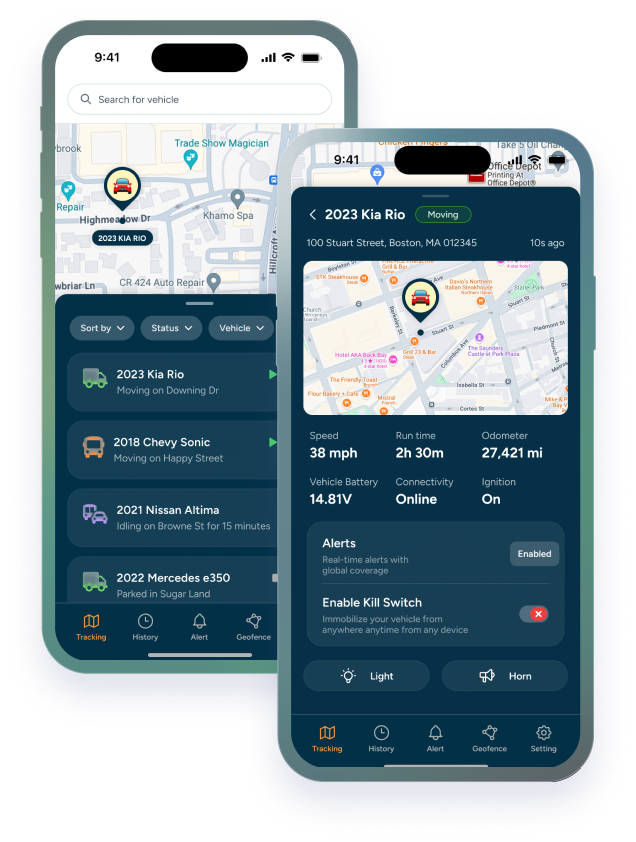

The Future of Video Telematics Technology
Video telematics is transforming how fleets operate. It combines video technology with telematics data to offer deep insights. This technology is reshaping fleet management and safety.
AI video telematics is at the forefront of this evolution. It uses machine learning to analyze data and predict risks. This leads to smarter, safer driving decisions.
Video telematics cameras capture high-definition footage. They provide real-time monitoring and feedback. This helps reduce accidents and improve driver behavior.
Fleet video telematics systems are becoming essential. They offer customized solutions for various industries. From logistics to public transport, the benefits are clear.
Video telematics companies are innovating rapidly. They aim to provide accurate, reliable data. The future promises even more advancements in this field.
What is Video Telematics?
Video telematics integrates video technology with vehicle telematics. This combination provides a comprehensive view of driver and vehicle performance. It enhances fleet management by delivering crucial data in real-time.
At its core, video telematics involves installing cameras and sensors in vehicles. These devices capture and transmit data to central systems for analysis. The data typically includes GPS location, speed, and video footage.
A video telematics camera is central to the system. It can record high-quality images and videos. Often, it includes features like night vision and wide-angle lenses. This ensures clear monitoring regardless of conditions.
The components of a typical video telematics system include:
- Cameras for capturing video
- Sensors for collecting vehicle data
- Software for data analysis
- Cloud-based platforms for data storage and access
These systems offer valuable insights. They help businesses enhance safety, efficiency, and compliance. By using video telematics, companies can significantly improve their operations and gain a competitive edge.
How Video Telematics Works: Key Components and Systems
Video telematics systems are designed to capture vital data. They integrate hardware and software to monitor vehicles and drivers. The main components play distinct roles in data collection and processing.
One essential element is the video telematics camera. It records visual data from both inside and outside the vehicle. This provides a complete view of driving conditions and behavior.
Sensors are another crucial component. They track various parameters, such as speed, acceleration, and braking patterns. These sensors feed data into the system for further analysis.
The core systems typically include:
- Video Cameras: Capture footage in high definition
- Sensors: Collect data on vehicle and driver activity
- Processing Units: Analyze data in real-time
- Cloud Platforms: Store and manage data securely
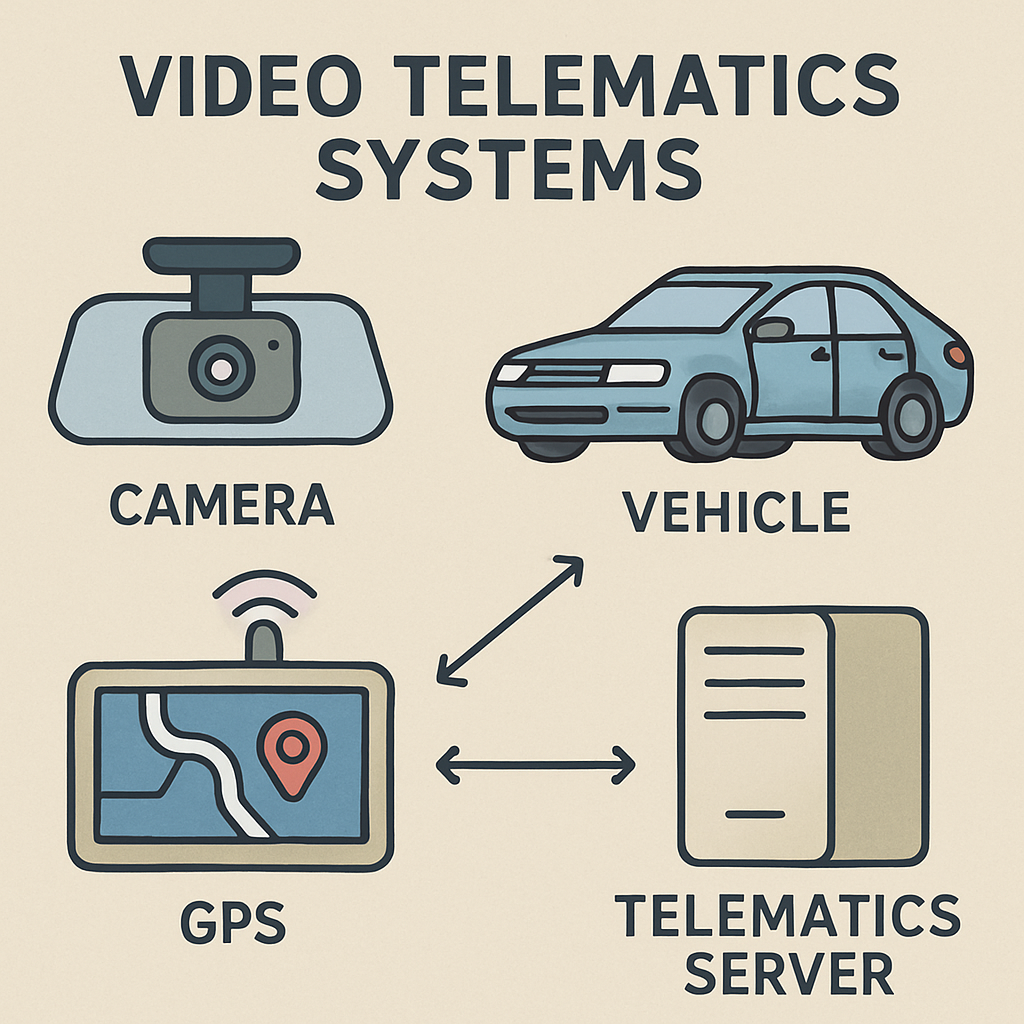
The software within the system processes and analyzes this data. AI and machine learning enhance this process, offering predictive insights. These insights help fleet managers make informed decisions and improve safety. By understanding the system's components, businesses can better leverage video telematics technology. This can lead to safer and more efficient operations.
The Role of AI in Video Telematics
Artificial intelligence is transforming video telematics systems. Its integration elevates data analysis and decision-making. AI video telematics uses algorithms to interpret complex data efficiently.
Machine learning enhances the system's capability by identifying patterns. This allows for predicting potential risks and preventing incidents. Real-time processing provides immediate feedback, crucial for fleet safety.
AI automates event detection, reducing the need for manual oversight. It identifies incidents such as harsh braking or lane changes quickly. This automation allows fleet managers to focus on strategic improvements.
Key benefits of AI integration include:
- Automated Event Detection: Reduces human error
- Enhanced Predictive Analytics: Improves risk management
- Real-Time Feedback: Provides immediate alerts
- Data-Driven Insights: Supports informed decision-making
Benefits of Video Telematics for Fleets and Businesses
Video telematics offers significant advantages for fleets and businesses. It enhances safety by providing real-time monitoring and feedback. This leads to a reduction in accidents and liability costs.
Fleet video telematics systems help in optimizing operations. They provide insights into vehicle utilization and maintenance needs. These insights can significantly reduce operational expenses.
Data from video telematics cameras can improve driver behavior. Companies can identify risky driving habits and offer targeted training. This results in a culture of safety and accountability.
Telematics solutions also contribute to better customer service. Accurate delivery estimates improve client satisfaction. Optimized route planning further enhances efficiency.
Notable benefits include:
- Improved Safety: Fewer accidents and reduced liability
- Operational Efficiency: Lower costs due to optimized maintenance
- Enhanced Driver Performance: Targeted training based on data
- Customer Satisfaction: Reliable delivery estimates
- Cost Savings: Less fuel consumption and maintenance
These advantages illustrate why businesses adopt video telematics rapidly. The technology supports smarter, data-driven decisions. Integrating these systems can lead to tangible improvements in various operational aspects. As technology advances, the benefits will likely grow, offering even greater returns on investment.
Real-World Applications and Use Cases
Video telematics finds application across diverse industries. Its use extends beyond traditional fleet management. Many sectors benefit from its comprehensive insights.
Public transportation systems use video telematics for safety and efficiency. The technology aids in monitoring routes and driver conduct. This leads to safer and more reliable transit services.
Logistics companies benefit from enhanced route optimization. Video telematics systems help in tracking deliveries and ensuring timely arrivals. As a result, customer satisfaction often improves significantly.
The construction industry also finds value in video telematics. Monitoring equipment and vehicle usage helps in reducing wear and tear. This brings substantial cost savings on maintenance.
Key real-world uses include:
- Public Transportation: Enhancing safety and service reliability
- Logistics: Tracking deliveries for punctual arrivals
- Construction: Managing equipment for maintenance efficiency
Other industries like emergency services and retail logistics also leverage these systems. Each sector uses video telematics to address unique needs. Customized solutions offer tailored benefits, demonstrating the versatility of this technology. As these applications grow, businesses will find even more innovative uses, unlocking new potential.
Innovations and Trends Shaping the Future
Video telematics technology is evolving rapidly. New innovations and trends are redefining industry standards. As a result, businesses are seeing enhanced capabilities.
Artificial intelligence plays a key role in this evolution. AI video telematics systems offer predictive analytics. They use machine learning to foresee potential issues and patterns.
Cloud-based solutions provide accessible and scalable systems. Real-time data becomes available anywhere, anytime. This flexibility supports businesses of all sizes, from small enterprises to large corporations.
IoT integration further enriches video telematics. With more connected devices, detailed insights become possible. This leads to improved vehicle performance monitoring and fleet management.
Emerging trends include:
- AI and Machine Learning: Enhancing predictive analytics
- Cloud Computing: Enabling scalable access to data
IoT Integration: Providing detailed insights for better management
telematics without technical barriers. As these trends develop, they promise a transformative impact on how fleets are managed.
Choosing the Right Video Telematics Solution
Selecting the right video telematics solution requires careful consideration. Every business has unique needs. Therefore, customization options are crucial.
Begin by evaluating your fleet's requirements. Understand the specific challenges your business faces. This knowledge helps in choosing features that address these needs effectively.
Consider factors such as system scalability and integration potential. Ensure your chosen solution can grow with your business. Seamless integration with existing systems enhances efficiency.
Important factors to consider include:
- Scalability: Can the system grow with your fleet?
- Integration: How well does it work with current software?
- Customization: Does it meet specific business needs?
Price is also a critical aspect. Ensure the solution offers value without exceeding budget constraints. Opt for a balance between cost and feature set. Prioritizing these elements will guide you in making an informed decision that enhances your operational efficiency and safety.
Privacy, Compliance, and Data Security
In the realm of video telematics, privacy remains a top concern. Companies must ensure they handle data responsibly. Protecting driver privacy is crucial for regulatory compliance and trust.
Data security involves safeguarding sensitive information from breaches. This requires robust encryption and secure data storage solutions. Ensuring compliance with privacy regulations is non-negotiable.
Adhering to compliance standards helps avoid legal pitfalls. Businesses need to stay informed about changing laws. Working with reputable video telematics companies can aid in maintaining compliance.
Key considerations for privacy and security include:
- Data Encryption: Protecting data during transmission.
- Secure Storage: Ensuring data is stored safely.
- Regulatory Compliance: Meeting legal requirements for data handling.
Balancing these elements helps in securing data and maintaining trust, crucial aspects of any telematics system.
The Road Ahead: What to Expect from Video Telematics Technology
The future of video telematics promises exciting developments. As technology advances, systems will become more sophisticated and intuitive. Key trends will shape the industry's trajectory.
We anticipate a greater integration of AI and machine learning. These technologies will enhance the predictive capabilities of video telematics systems. Expect more automation in data analysis and event detection.
Scalability and customization will also see improvements. Businesses will have the flexibility to tailor systems to their needs. Expansion into global markets is likely as the demand for efficient solutions grows.
Upcoming trends in video telematics include:
- Enhanced AI Integration: Boosting analytics and automation.
- Increased Customization: Allowing systems to fit unique needs.
- Global Expansion: Growing presence in international markets.
Ultimately, these innovations will drive efficiency and safety in fleet operations worldwide, setting a new standard in the industry.
Video telematics technology is revolutionizing how fleets operate. It enhances safety and efficiency in a rapidly evolving digital landscape. As AI and machine learning integrate further, systems will become even more intelligent.
Businesses worldwide stand to benefit. With the right video telematics solution, companies can expect improved safety, reduced costs, and optimal performance. The future looks bright, marked by technological advancements and greater market adoption.