
Every minute a vehicle sits idle, takes an unauthorized detour, or burns excess fuel, your bottom line takes a hit. For fleet managers and business owners, these small inefficiencies add up to significant losses over time. The good news is that modern technology has made it easier than ever to take back control.
Business GPS tracking for fleets has evolved far beyond simple location monitoring. Today's systems deliver real-time insights that help companies reduce costs, improve driver behavior, streamline operations, and even protect against liability. The return on investment is not just measurable; it often surprises business owners who initially viewed the technology as an added expense.
In this post, we break down the key ways that investing in business GPS tracking for fleets ultimately pays for itself. Whether you manage a handful of service vehicles or a large commercial fleet, you will walk away with a clear understanding of how this technology safeguards your assets, cuts unnecessary spending, and positions your business for smarter, more profitable operations. Let's dive in.
Real-Time Visibility Keeps Every Vehicle Accounted For
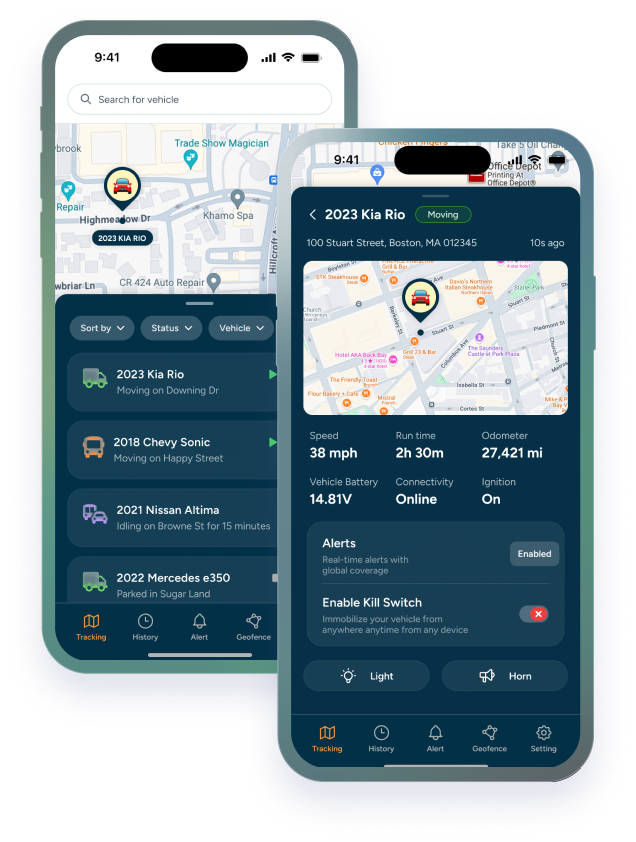
For any business running a fleet in 2026, knowing exactly where every vehicle is at any given moment is no longer a competitive advantage. It is the operational baseline. Modern GPS fleet tracking systems deliver continuous location updates alongside speed data, route status, and engine diagnostics, all visible from a single dashboard. Fleet managers no longer need to chase drivers for updates or rely on manual check-ins to confirm a job is progressing as planned.
It is worth understanding the distinction between tracking types, because the choice has real consequences. Real-time tracking updates location every few seconds, near-real-time systems push updates every few minutes, and passive tracking stores data onboard for later download. When a vehicle is stolen or a delivery is disputed, those intervals matter significantly. A passive system may only reveal what happened hours later, while real-time data allows an immediate response.
Geofencing adds another layer of protection by creating virtual boundaries around approved zones such as job sites, depots, or service regions. The moment a vehicle crosses that boundary outside authorised hours, an alert fires instantly. This flags unauthorized use early, before it escalates into a costly problem.
Route verification is equally valuable for day-to-day operations. GPS records provide dispatchers with an objective audit trail to confirm deliveries, validate service calls, and resolve customer disputes without relying on driver recollection. According to fleet management insights for 2026, this kind of data-backed accountability is now a standard expectation across the industry.
Trackhawk GPS delivers always-on visibility designed specifically for business owners who cannot be physically present across every site or shift. That continuous oversight protects vehicles and equipment around the clock, giving operators genuine confidence that their assets are exactly where they should be.
GPS Tracking Is One of the Most Effective Theft Deterrents a Fleet Can Have
Commercial vehicle theft represents one of the most financially damaging and underreported risks facing fleet-dependent businesses. A stolen work truck, excavator, or service van can represent a direct asset loss well into the tens of thousands of dollars, and that figure does not account for the cascading costs that follow: project delays, emergency equipment rentals, crew downtime, and insurance claims that drive up future premiums. The global stolen vehicle recovery market was valued at USD 8.52 billion in 2025 and is projected to reach USD 21.49 billion by 2035, growing at a CAGR of 10.1%. That trajectory reflects just how widespread and financially significant the problem has become across commercial operations.
Real-time GPS tracking fundamentally shifts the odds in favour of recovery. When a vehicle moves without authorisation, a live location update reaches the fleet manager and law enforcement within seconds, not hours. Modern GPS anti-theft systems now integrate predictive analytics capable of flagging suspicious behaviour, such as repeated door handle attempts followed by ignition activity, up to 90 seconds before theft completes. That window is operationally significant. Insurers have taken note, with many now offering premium discounts for GPS-tracked commercial vehicles, creating a direct financial incentive alongside the security benefit.
Geofencing and after-hours motion detection add a deterrent layer that operates before any theft is completed. Fleet managers can configure virtual perimeters around depots, job sites, and equipment yards. Any boundary breach or unexpected movement during off-hours triggers an immediate alert, allowing intervention before a vehicle leaves the property. This makes GPS tracking a prevention tool as much as a recovery tool.
For construction, rental, and field services businesses, the protection gap extends well beyond registered vehicles. Trailers, generators, compressors, and heavy attachments are high-value targets that often sit unattended on job sites overnight. Compact, battery-powered GPS hardware with IP67-rated weatherproofing and battery life spanning three to twelve months can be discreetly placed on non-powered assets, bringing the same real-time visibility to equipment that never connects to a power source.
Trackhawk GPS's hardware-first approach reflects exactly what the market prioritises. Hardware components are projected to account for 51.3% of the fleet management component market in 2026, confirming that buyers understand physical tracking devices must be installed before an incident occurs. Software analytics are only as effective as the hardware supporting them. Having a reliable tracking device in place on day one of fleet deployment is the foundation every other layer of protection depends on.
Driver Behaviour Monitoring Reduces Accidents and Lowers Insurance Costs
Beyond location tracking, modern fleet telematics systems capture a detailed picture of how every driver behaves behind the wheel. Speeding events, harsh braking, rapid acceleration, sharp cornering, and excessive idle time are all recorded automatically, giving fleet managers objective, timestamped data to work with. This removes the guesswork from driver coaching. Rather than acting on second-hand complaints or the occasional roadside observation, managers can sit down with a driver and walk through specific incidents, supported by verifiable data. According to fleet management statistics for 2026, the financial stakes for small fleet owners are significant, making this level of behavioural insight one of the strongest ROI drivers available.
Dashcam integration has moved from an optional add-on to a standard component of GPS telematics packages in 2026. When an incident occurs, paired video and location data provide timestamped evidence that can quickly resolve liability disputes and protect businesses from fraudulent accident claims. This protection alone can justify the cost of a telematics system for many operators.
The accountability effect of driver scoring is well documented. As outlined in advanced driver behaviour tracking research for 2026, real-time scoring and performance feedback create a self-regulating dynamic where drivers tend to self-correct risky habits simply because they know their performance is being measured. This removes the need for a manager to physically ride along.
Insurers are increasingly recognising telematics-backed safety records when calculating premiums, with fleets that can demonstrate consistent behavioural improvements gaining access to meaningful discounts. For context on how driver behaviour monitoring translates to measurable fleet safety outcomes, AI-powered platforms now deliver predictive insights, not just reactive reporting.
For small and mid-size fleets, the compounding costs of a single at-fault accident, covering repairs, vehicle downtime, injury claims, and premium increases, can easily exceed an entire year of GPS system investment. Preventing even one such incident per year makes the business case straightforward.
Fleet GPS Cuts Fuel Costs and Eliminates Wasted Miles
Fuel is one of the largest and most controllable operating costs for any business running a fleet. GPS tracking technology directly targets this cost across multiple fronts, and the cumulative savings can be substantial.
1. AI-Optimised Routing Reduces Fuel Spend by 20% or More
AI-powered route optimisation is now a standard feature on 2026 fleet management platforms, not a premium add-on. These systems dynamically calculate the most efficient routes by factoring in real-time traffic, job priority, delivery windows, and vehicle capacity simultaneously. According to fleet management statistics for 2026, AI-driven optimisation can reduce fuel costs by 20% or more across a fleet. For a business running ten vehicles, that figure compounds quickly into meaningful monthly savings.
2. Idle-Time Alerts Close an Invisible Fuel Drain
Excessive engine idling burns fuel silently and consistently. GPS telematics platforms surface idle-time data per driver and per vehicle, allowing fleet managers to configure alerts when idling exceeds a defined threshold. That data then supports targeted coaching conversations with specific drivers, turning a systemic cost into a manageable behaviour.
3. Route Verification Eliminates Unauthorised Detours
GPS tracking allows managers to compare actual driven routes against assigned routes in real time or through historical replay. Unauthorised detours, personal errands, and off-route stops inflate mileage, accelerate vehicle wear, and waste fuel. Route verification closes this gap directly.
4. Consolidated Platforms Give Managers One Accurate Picture
According to a review of the best fleet GPS tracking software in 2026, leading platforms now integrate GPS tracking, fuel management, dispatch, and analytics into a single interface. This consolidation eliminates the administrative burden of reconciling data across multiple tools and gives fleet managers one accurate view of fuel consumption across the entire operation.
5. Fuel Savings Alone Frequently Justify the Investment for SMBs
For smaller businesses operating on tight margins, the ROI case for GPS tracking often begins and ends with fuel. Data-driven fleets are saving 12% on fuel costs in 2026 through telematics alone, and combined with route optimisation and idle reduction, total savings regularly exceed platform and hardware costs within the first few months of deployment.
Predictive Maintenance Prevents Breakdowns Before They Happen
GPS and telematics units connected via OBD-II ports deliver a continuous stream of vehicle health data directly to fleet management platforms. These plug-and-play devices access the vehicle's Engine Control Unit to capture fault codes, real-time engine diagnostics, mileage, fuel consumption, coolant temperature, battery voltage, and RPM readings. Fleet managers receive a live health snapshot of every vehicle in their operation without complex wiring or specialist installation, making deployment fast and practical across mixed fleets of any size.
What makes this capability genuinely powerful in 2026 is the intelligence layered on top of that raw data. AI-powered predictive maintenance algorithms analyse telematics sensor data to identify patterns that consistently precede component failures, surfacing risks 20 to 45 days before a breakdown occurs and achieving failure prediction accuracy of 85 to 95 percent in documented case studies. Rather than waiting for a warning light on the side of a highway, maintenance teams can schedule proactive repairs during off-hours or low-demand periods, keeping vehicles available when revenue depends on them.
The financial case for this approach is straightforward. Industry data places average daily costs of unplanned vehicle downtime between $448 and $760 per vehicle, factoring in lost revenue, emergency repairs, towing, and contract penalties. A single service van sidelined during a peak booking window can cascade into missed jobs, damaged client relationships, and reputational harm that outlasts the repair bill.
Usage-based maintenance scheduling strengthens this further. Triggering service intervals based on actual engine hours, mileage, and live fault data rather than fixed calendar dates prevents both under-maintaining heavily used vehicles and over-servicing those with lighter workloads. This precision extends asset lifespan, reduces parts waste, and creates more predictable maintenance budgets.
For smaller operations where each vehicle directly supports revenue delivery, these capabilities are not optional extras. Keeping every asset in peak condition is a direct bottom-line priority, and modern telematics platforms make that level of oversight accessible without enterprise-scale resources.
Automated Compliance Takes the Legal Risk Off Your Plate
Regulatory requirements for commercial fleets have grown substantially more demanding, and GPS-integrated telematics platforms have evolved to match that complexity. In 2026, Electronic Logging Device (ELD) compliance, Hours of Service (HOS) monitoring, Driver Vehicle Inspection Reports (DVIR), and IFTA fuel tax reporting are all handled automatically within centralised fleet dashboards. Manual data entry is removed from the equation entirely, and with it goes the risk of human error that has historically exposed fleet operators to fines and failed inspections during FMCSA roadside reviews.
One of the most valuable outcomes of automated compliance is the audit trail it generates. Every journey, driver action, and vehicle status event is recorded with a verifiable timestamp, creating documentation that exists before an inspector ever asks for it. This shift from reactive to proactive compliance management is significant; fleet operators no longer need to reconstruct records under pressure. The 2026 Risk and Exoneration report from Teletrac Navman signals clearly that the industry now positions GPS platforms as legal protection tools, not just operational ones.
For fleets operating across state lines, the administrative burden of IFTA reporting and multi-jurisdiction compliance documentation compounds quickly as vehicle count grows. A centralised GPS platform resolves this by aggregating compliance data across every driver and vehicle in one system, making consistent documentation achievable at scale without additional administrative overhead.
It is worth noting that compliance automation is not exclusively valuable for regulated carriers. Any business operating company vehicles, whether in trades, logistics, or field services, benefits from the mileage records, maintenance logs, and incident documentation that GPS platforms generate as a byproduct of standard tracking. These records support tax reporting, insurance claims, and internal accountability across any fleet.
What Business GPS Fleet Tracking Actually Costs vs. What It Saves
The global fleet management market is projected at $30.1 billion in 2026, growing at a 16.9% CAGR through 2035. That trajectory reflects something more significant than market momentum. It reflects the reality that GPS fleet tracking has crossed from enterprise-only territory into mainstream adoption for businesses of every size. Features that once required six-figure contracts and dedicated IT teams are now available to operators running two vans and a utility trailer.
For small and mid-size businesses, the ROI case for business GPS tracking fleets is unusually strong because savings arrive from multiple directions simultaneously. Fuel costs drop through route optimization and idle time reduction. Insurance premiums decrease when documented driver behavior data demonstrates lower risk exposure. Theft deterrence protects assets before a loss occurs, and maintenance alerts prevent breakdowns before they become expensive emergencies. Fewer unauthorized vehicle uses reduce liability and operating costs at the same time. A single prevented at-fault accident or a single recovered stolen vehicle can cover several years of GPS subscription costs outright.
Entry-level hardware and per-device monthly plans are designed to work for smaller fleets, and the per-device pricing structure means costs scale in direct proportion to fleet size. A business does not pay enterprise rates for a three-vehicle operation. Deployment is equally straightforward. Plug-and-play OBD-II installation requires no technical staff, no IT infrastructure, and no specialist knowledge. Trackhawk GPS is specifically built for operators who need reliable protection without added complexity.
The most useful shift in thinking is to stop categorizing GPS tracking as a software expense and start treating it as capital protection. For any business with $200,000 or more in vehicles and equipment operating on the road, real-time visibility is not an operational upgrade. It is basic risk management for the assets already carrying your business forward.
Which Business Fleets Benefit Most from GPS Tracking
GPS tracking delivers measurable operational value across virtually every vehicle-dependent industry, but certain fleet types see particularly strong returns based on the nature of their work.
1. Field Service Fleets (HVAC, Plumbing, Electrical, Landscaping)
Field service businesses run on response time and accountability. GPS tracking allows dispatchers to identify the nearest available technician in real time, reducing customer wait times and increasing the number of jobs completed per day. Arrival and departure timestamps eliminate timesheet disputes and give managers verifiable records of where every technician was and when.
2. Delivery and Logistics Fleets
Customer expectations for delivery accuracy have never been higher. Real-time GPS tracking enables precise ETAs, route verification, and electronic proof of delivery confirmation. When claim disputes arise, fleet managers can pull location history and timestamps to resolve issues quickly and protect the business from false claims.
3. Construction and Equipment Rental Operators
Heavy equipment spread across multiple job sites represents significant capital exposure. GPS tracking gives operators a consolidated view of every asset, from excavators to trailers, regardless of location. When equipment moves without authorization or goes missing overnight, real-time alerts allow for immediate response and recovery.
4. BHPH Dealerships and Vehicle Rental Companies
For buy-here-pay-here dealerships and rental operators, GPS combined with geofencing provides a critical layer of collateral protection. Vehicles can be flagged automatically when they cross outside approved boundaries or when payment milestones are missed, streamlining the recovery process and reducing financial exposure.
5. Emergency and Municipal Fleets
Government and emergency fleets operate under strict service-level requirements that demand precise documentation. GPS tracking logs vehicle deployment times, routes, and response intervals automatically, giving fleet managers the compliance records they need without manual reporting overhead.
Putting It All Together: What to Look for in a Business GPS Tracking System
Not all GPS tracking systems deliver equal value, and choosing the wrong one creates friction rather than fixing it. These five criteria will help you make a confident, well-informed decision.
1. Treat real-time tracking, geofencing, and after-hours alerts as your baseline minimum. Any system worth considering in 2026 should offer live location visibility, customizable geofence boundaries, and immediate alerts when a vehicle moves outside authorized zones or hours. These features directly address theft prevention, liability management, and accountability. If a provider cannot clearly demonstrate these capabilities upfront, move on.
2. Evaluate hardware as seriously as software. Hardware components account for 51.3% of the GPS fleet management market in 2026, and for good reason. A platform with sophisticated dashboards is useless if the physical device loses signal, drains the vehicle battery, or fails to capture accurate data. Ask specifically about device reliability, installation method, and what happens when hardware malfunctions.
3. Match the platform to your current fleet size, with room to scale. SMBs do not need enterprise-grade complexity, but they do need a platform that can grow as they add vehicles, drivers, or locations without requiring a full migration.
4. Choose a provider that communicates clearly and supports you after installation. Trackhawk GPS is built specifically for businesses that need reliable visibility without navigating unnecessary complexity or jargon.
5. Request a demo or consultation before committing. Confirm what data you will access, how alerts are delivered, and what the process looks like if a vehicle is stolen or a customer dispute arises. The right provider will answer these questions directly and without hesitation.
Conclusion
The numbers do not lie. Business GPS fleet tracking reduces fuel waste, discourages unauthorized vehicle use, strengthens driver accountability, and provides the documentation needed to fight costly liability claims. Each of these benefits delivers measurable savings that, together, consistently outpace the cost of the technology itself.
For fleet managers ready to stop losing money to inefficiencies they cannot see, the solution is already proven and accessible. Start by auditing your current fleet costs, then request a demo from a reputable GPS tracking provider to see exactly how the ROI breaks down for your operation.
Your fleet is one of your most valuable assets. Protecting it should not be an afterthought. With the right tracking system in place, you are not just monitoring vehicles; you are actively building a smarter, leaner, and more profitable business.