
Rental car fleet management is no longer just about buying vehicles, renting them out, and keeping them clean. Operators now have to manage vehicle availability, maintenance, theft risk, fuel use, insurance exposure, customer experience, and return logistics across a competitive market.
The companies that perform best are the ones that run their fleets with data, not guesswork. GPS tracking, telematics, maintenance workflows, and better customer communication can help rental operators reduce downtime, protect vehicles, and make smarter decisions about how each unit is used.
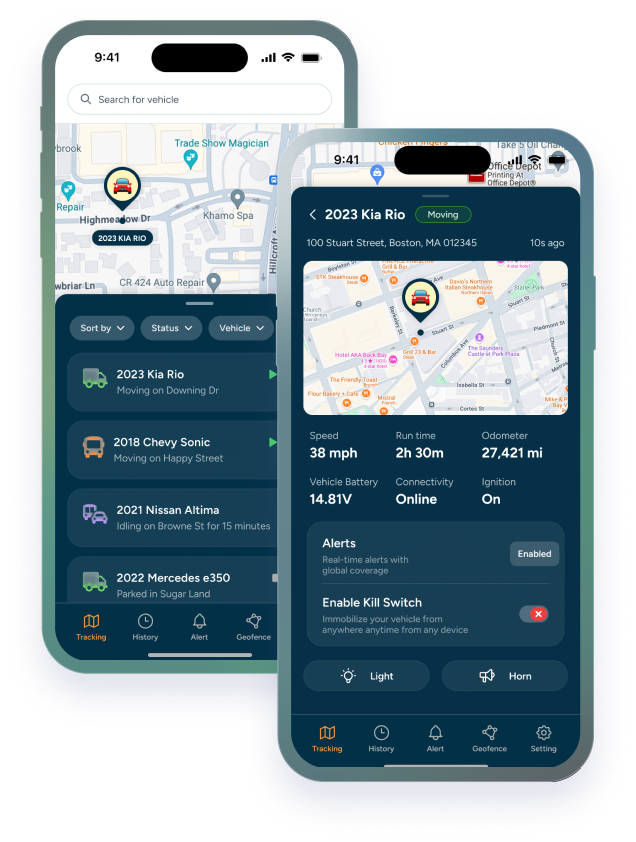
If your rental business needs more visibility across vehicles, Trackhawk’s Rental Vehicle GPS Tracking solution can help you connect location, alerts, geofencing, and fleet operations in one system.
The Growing Need for Smarter Rental Fleet Management
Rental customers expect a fast, reliable, low-friction experience. They want vehicles available when promised, clean and ready at pickup, easy to return, and supported if something goes wrong. At the same time, operators need to control costs and protect assets.
A rental car fleet management strategy should help you answer questions like:
- Which cars are available right now?
- Which vehicles are overdue?
- Which cars are underused?
- Which vehicles need maintenance?
- Which units are leaving approved areas?
- Which customers or routes create higher risk?
- Which locations need more vehicles?
- Which vehicles should be replaced or rotated?
Without GPS and fleet data, many of those answers come too late.
Strategic Fleet Acquisition and Vehicle Selection
The foundation of a rental business is the fleet itself. Choosing the right vehicles affects utilization, customer satisfaction, maintenance cost, insurance, resale value, and profitability.
Evaluate Market Demand
A strong fleet mix starts with understanding your customers. Business travelers, tourists, contractors, rideshare drivers, families, and long-term renters may all need different vehicles.
Common fleet categories include:
- Economy cars for budget-conscious renters
- Compact and midsize cars for daily travel
- SUVs and minivans for families and groups
- Pickup trucks for contractors and local work
- Luxury vehicles for premium experiences
- EVs or hybrids for fuel-conscious renters
- Specialty vehicles for niche demand
Track demand by location, season, booking type, and vehicle class. Do not assume the same mix works across every branch.
Evaluate Lease vs. Purchase
Rental operators often balance owned and leased vehicles.
Leasing can reduce upfront cost and make it easier to refresh inventory. Purchasing can provide more control and potential long-term value. The right mix depends on cash flow, financing, expected mileage, resale strategy, and fleet growth plans.
A hybrid strategy can help operators stay flexible while protecting margins.
Maintenance and Repairs: Preventive Strategies for Reliability
Maintenance is one of the biggest drivers of customer experience and operating cost. A vehicle that breaks down during a rental creates customer frustration, recovery work, refund risk, and lost availability.
A strong maintenance program should include:
- Oil changes
- Tire rotations and pressure checks
- Brake inspections
- Battery checks
- Fluid top-offs
- Mileage-based service intervals
- Safety inspections
- Cleaning and damage checks after every rental
Fleet tracking and telematics make maintenance more precise by tying service needs to mileage, engine hours, and vehicle usage instead of rough calendar estimates.
Using GPS Tracking and Telematics for Better Operations
GPS tracking gives rental operators a live view of where vehicles are and how they are being used. Telematics can add additional data like mileage, driving behavior, maintenance alerts, fuel usage, and engine diagnostics.
This helps rental operators:
- Confirm vehicle location
- Monitor unauthorized movement
- Detect overdue returns
- Set geofences around lots or approved regions
- Review trip history
- Plan maintenance around usage
- Improve recovery workflows
- Reduce manual check-ins
Trackhawk’s GPS Fleet Tracking Software supports real-time tracking, geofencing, alerts, reporting, and business fleet visibility.
Enhancing Asset Protection and Security
Rental vehicles face risk of theft, misuse, late returns, and unauthorized travel. A strong fleet management system needs to address those risks proactively.
A GPS-based security workflow can include:
- Real-time vehicle location
- Lot entry and exit alerts
- Geofencing for approved travel areas
- After-hours movement alerts
- Tamper or power-loss notifications
- Location history for disputes
- Escalation procedures for overdue vehicles
For high-risk vehicles or repeat misuse issues, rental operators may also consider Smart Kill Switch technology. A GPS kill switch can help prevent a vehicle from being restarted under authorized conditions, but it should always be used responsibly and in line with contract language, local law, and safety policy.
Fuel Management and Operating Cost Control
Fuel cost can affect rental profitability, especially for larger vehicles, long-term rentals, delivery-style use, or fleet relocation. Operators should monitor fuel and mileage patterns to identify waste.
Useful strategies include:
- Tracking mileage by vehicle
- Reviewing idle time
- Monitoring inefficient routes
- Training staff on fuel-efficient driving
- Using fuel cards and reporting
- Considering hybrids or EVs where demand supports them
The U.S. Department of Energy provides helpful resources on vehicle efficiency and fuel-saving practices. For rental operators, even small efficiency gains can matter when spread across a large fleet.
Risk Mitigation and Insurance
Fleet risk includes theft, accidents, disputes, vehicle misuse, and claims. Insurance protects the business financially, but GPS and telematics can support better documentation and faster response.
A risk management program should include:
- Comprehensive insurance coverage
- Driver screening where appropriate
- Clear rental agreements
- GPS disclosure language
- Damage inspection processes
- Location history for disputes
- Theft recovery procedures
- Staff training on escalation
A tracking system is not a replacement for insurance or legal compliance. It is a visibility tool that helps operators respond with better information.
Improving Customer Experience
Customer experience is often what separates one rental company from another. Technology can help the business run more smoothly, but it should also make the renter’s experience easier.
A better customer experience can include:
- Faster vehicle availability confirmation
- Accurate pickup and return workflows
- Faster roadside assistance
- More accurate mileage billing
- Reduced disputes
- More reliable maintenance
- Better branch-to-branch vehicle planning
Customer experience has long been a major driver of brand loyalty, and the PwC study linked in the original article supports the broader point that experience influences customer decisions. For rental operators, clean operations and clear communication are part of that experience.
Using Data to Right-Size the Fleet
Rental operators often lose money when vehicles sit idle or when the wrong vehicle classes are overstocked. GPS and rental data can help identify:
- Underused vehicles
- High-demand vehicle types
- Seasonal demand shifts
- Maintenance-heavy units
- Branches that need more inventory
- Vehicles that should be sold or replaced
Fleet data should guide acquisition, rotation, pricing, and retirement decisions. The goal is not just to own more cars. The goal is to own and place the right cars.
Building a Rental Fleet Dashboard
A useful rental fleet dashboard should show more than location. It should help managers see what needs attention.
Key dashboard views include:
- Vehicles on rent
- Vehicles on the lot
- Overdue vehicles
- Units needing maintenance
- Geofence alerts
- Tamper or offline alerts
- High-mileage vehicles
- Idle vehicles
- Vehicles due for cleaning or inspection
- Open recovery cases
A dashboard should reduce manual work, not add another system your team has to fight with.
The Future of Rental Car Fleet Management
Rental fleet management is moving toward more connected vehicles, more automation, and more data-driven decision-making. Operators are using GPS, telematics, mobile apps, EV data, maintenance alerts, geofencing, and digital customer workflows to manage fleets more effectively.
Future-ready rental companies will prioritize:
- Real-time fleet visibility
- Customer-friendly automation
- Predictive maintenance
- EV readiness
- Geofencing
- Faster recovery workflows
- Better reporting
- Integrated software tools
Conclusion: Managing Rental Fleets With Better Visibility
Rental car fleet management is about balancing availability, cost control, security, maintenance, and customer satisfaction. GPS tracking and telematics make that job easier by giving operators better visibility into every vehicle.
With the right system, rental companies can reduce downtime, monitor misuse, protect vehicles, schedule service, improve customer response, and make smarter decisions about the fleet.
If your rental operation is still managing vehicles manually, Trackhawk GPS can help you move toward a smarter, more connected fleet management process.