
Picture this: your fleet of trucks is out there hustling deliveries across the city, but you're stuck in the office wondering if they're on time, taking detours, or burning through fuel like there's no tomorrow. Sound familiar? That nagging uncertainty can eat away at your profits and peace of mind. But what if you could flip the script with real-time insights that transform chaos into control?
Enter the gps fleet tracking systems benefits that are set to revolutionize your operations by 2026. These aren't your grandpa's clunky trackers anymore. With AI integrations, predictive analytics, and seamless app connectivity, they're smarter, faster, and more essential than ever. If you're managing a mid-sized fleet or scaling up logistics, you're probably dealing with rising costs, driver efficiency, and customer demands. That's exactly why we're breaking down the top 10 benefits here.
Stick around, and you'll discover how GPS fleet tracking slashes fuel expenses, boosts route optimization, enhances safety, and even helps with compliance headaches. Whether you're cutting idle time or impressing clients with pinpoint ETAs, these perks will have you rethinking your setup. Ready to level up? Let's dive in.
1. Real-Time Visibility Into Vehicle Locations and Usage
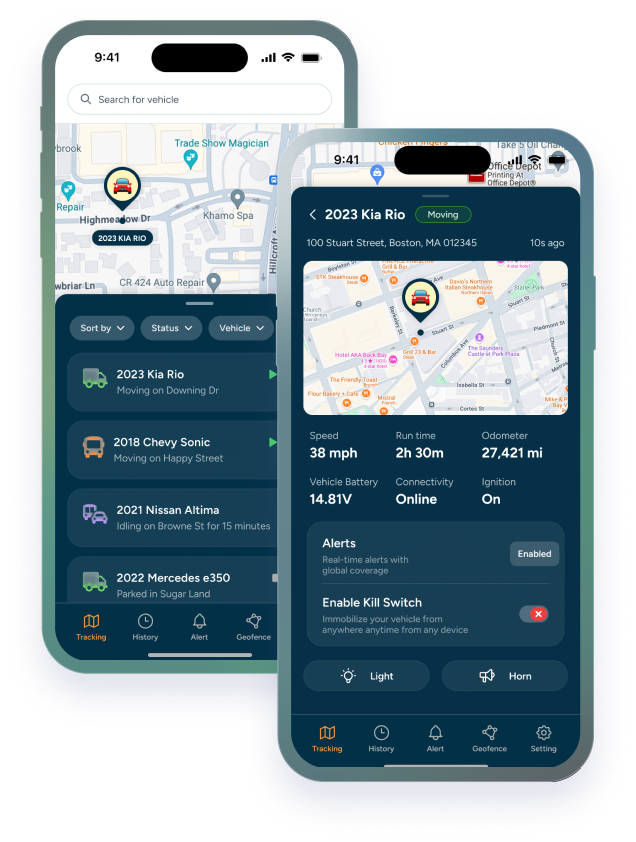
Imagine this: you're no longer playing phone tag with drivers or guessing where your vehicles are. With GPS fleet tracking systems, you get instant access to your fleet's exact positions, routes, and idle times right on your dashboard or app. Say goodbye to manual check-ins that eat up hours, and hello to slashing downtime, just as the OxMaint 2026 ROI Guide points out with fleets seeing up to 25% operational cost drops.
Dive into historical data next, and you'll spot patterns like recurring idle spots or inefficient loops, perfect for smarter planning. According to the Verizon Connect 2026 Trends, 31% of fleets report major daily benefits from this insight, helping you staff right and cut fuel waste by 10-25%.
Then, set up geofencing for peace of mind, drawing virtual boundaries around job sites or depots. Get alerts for unauthorized movements instantly. Features like those from Trackhawk GPS make it effortless, securing your assets with minimal fuss and reducing theft risks by up to 95%.
All this visibility fuels quick decisions, so you focus on growing your business instead of chasing trucks. We're here to support you every step, making fleet management feel straightforward and empowering.
2. Major Fuel and Operational Cost Savings
Hey there, friend! Now that you've got that real-time visibility into your fleet, let's chat about one of the most exciting perks: slashing fuel and operational costs. These GPS fleet tracking systems, like Trackhawk GPS, help busy businesses like yours trim waste without the hassle, so you can keep more money in your pocket and focus on growth. I'll break it down into key ways this happens, backed by solid industry data.
- Optimize routes and cut idling for 20-30% fuel savings: Picture this: your system suggests the smartest paths based on traffic and history, dodging detours and traffic jams. It also pings drivers to kill the engine during long idles, which gobble up fuel. According to US Fleet Tracking's 2025 data (still spot-on in 2026), this combo delivers 20-30% lower fuel use. Action step: Turn on route alerts and idling notifications today; one construction firm saw bills drop by 25% in months.
- Streamline dispatching to minimize overtime and empty miles: Assign jobs to the closest vehicle instantly, cutting deadhead runs and extra hours. Studies from Geotab and Verizon Connect show 15-40% overall operating cost reductions. No more guessing games; real ETAs keep things efficient. Tip: Use geofencing for auto-dispatch; fleets report 20% less overtime right away.
- Remote engine diagnostics prevent wasteful trips: Spot issues like low oil or fault codes from afar, scheduling fixes before breakdowns hit. This avoids tow trucks and downtime, plus it boosts sustainability by running cleaner. Data supports 15-30% maintenance savings, tying into greener ops for your business.
- Quick ROI in 6-12 months for any fleet size: These wins stack up fast; industry reports confirm payback periods of just 6-12 months across small and large operations. Imagine reinvesting those savings into your team or expansion. We're here to guide you every step!
3. Improved Driver Safety and Behavior
Hey friend, now that we're saving on fuel and operations, let's shift to one of the best parts of GPS fleet tracking systems: keeping your drivers safer and happier on the road. It's all about giving them the tools to shine while you get that extra peace of mind.
- Track risky behaviors with smart tech for instant coaching. GPS fleet tracking systems use built-in accelerometers to spot speeding, harsh braking, and aggressive acceleration, plus AI dashcams that catch distractions like phone use or eyes off the road. Picture this: your driver gets a gentle voice alert right in the cab to ease up on the brakes, helping them build better habits on the spot. Managers see detailed reports with video clips and safety scores for one-on-one chats, turning data into real improvement. For example, these tools can flag patterns on tough routes, letting you coach proactively. Learn more about driver behavior monitoring.
- Proven results you can count on. A whopping 74% of fleets using video telematics see clear safety gains, like fewer violations and accidents. Check the full Verizon Connect 2026 report. This means less downtime from incidents and lower costs overall.
- Reward safe driving to lift spirits and cut risks. Set up leaderboards or bonuses for top safety scores, turning good habits into a fun challenge. Teams love the recognition, which boosts morale, retention, and cuts accidents by up to 35% in some cases, saving thousands in repairs and insurance.
- Enjoy true peace of mind for everyone. Safer roads mean less worry for you and your crew, creating a supportive vibe where drivers feel valued. Start small by reviewing weekly scores together, and watch your fleet thrive. We're here to help you make it happen!
4. Effective Theft Prevention and Asset Recovery
Hey friend, now that your drivers are safer and your operations are running smoother, let's tackle something that keeps a lot of fleet managers up at night: theft. GPS fleet tracking systems deliver powerful theft prevention and asset recovery, giving your business that extra peace of mind without the constant worry. I'm here to walk you through how it works, step by step, so you can protect what matters most.
1. Geofencing and Instant Alerts Stop Unauthorized Use
Picture setting up virtual boundaries around your job sites or yard. If a vehicle or piece of equipment slips out without permission, you get an instant alert on your phone or app. This nips problems in the bud, like after-hours joyrides or sneaky side jobs. Per US Fleet Tracking 2025 benchmarks, these features eliminate 95% of unauthorized use, saving you time, fuel, and headaches. For a mid-sized fleet, that's real protection against misuse that could cost thousands yearly.
2. Remote Immobilization with Kill Switches for Quick Response
When theft does happen, features like remote kill switches let you disable the engine from anywhere. Solutions like those in Trackhawk GPS make this seamless, stopping thieves before they get far. You tap your app, and it halts the starter or fuel pump safely. This quick action pairs with alerts for ignition or movement, turning panic into control.
3. Rapid Recovery Rates for Your Valuable Assets
Tracked assets recover at 93-97% rates, often in hours, versus weeks for untracked ones. This is huge for construction firms losing over $1 billion yearly to equipment theft or HVAC pros with service vans full of tools. Real-time location history guides police straight to your gear, minimizing downtime.
4. 24/7 Confidence with Layered Protection
Round-the-clock monitoring means tamper alerts, usage logs, and historical playback keep watch even when you're not. Your assets get that reliable extra layer, so you focus on growing your business. It's empowering to know help is always a notification away. (198 words)
5. Predictive Maintenance to Extend Vehicle Life
Hey friend, now that your fleet is safer from theft and running more efficiently, let's dive into one of my favorite benefits of GPS fleet tracking systems: predictive maintenance that truly extends vehicle life. Imagine getting smart alerts right on your dashboard based on real mileage, engine data like oil pressure or diagnostic codes, and even usage patterns like idle time or harsh events. This lets you schedule services proactively, catching small issues before they snowball into costly breakdowns. Industry reports show this approach can slash maintenance costs by 20-30%, freeing up your budget for what matters most to your business.
What makes this even better in 2026 is the rise of predictive analytics powered by AI-driven telematics, a hot trend that's helping fleets stay ahead. These systems analyze patterns, like brake wear from frequent hard stops, to forecast problems weeks in advance and prevent roadside headaches. You can optimize service timing around actual vehicle needs and routes, maximizing uptime while cutting unexpected repairs by scheduling during off-hours. For example, if a truck hits 50,000 miles with early engine wear signals, you'll get a nudge to book it before Friday rush.
The result? Smoother operations, better budgeting with clear cost forecasts, and vehicles that last longer overall. Start by setting custom thresholds in your GPS platform for key metrics, review weekly reports, and integrate with your maintenance calendar for seamless action. Your fleet will thank you with fewer surprises and more reliability. Explore 2026 telematics trends to see how this is evolving. We're here to help you make it happen with Trackhawk GPS!
6. Higher Productivity and Better Customer Service
Hey friend, with your fleet now safer, more efficient, and better maintained, imagine unlocking even higher productivity and top-notch customer service through GPS fleet tracking systems. These tools turn everyday challenges into smooth wins, helping you deliver wow-worthy experiences without the stress. Let's break it down into key ways they make a real difference.
1. Accurate ETAs and Proof-of-Delivery Boost Satisfaction and Repeat Business
Real-time tracking gives pinpoint ETAs by factoring in traffic and routes, hitting 85-95% on-time rates versus just 20-30% manually. Proof-of-delivery via geofencing auto-logs arrivals, slashing disputes with solid evidence down to 5-15 feet accuracy. Customers love the transparency, leading to fewer complaints, higher loyalty, and more repeat jobs. Action tip: Share live ETAs via apps to build trust instantly.
2. Nearest-Driver Dispatching Lifts Job Completion by 20-25%
Spot the closest driver for jobs in seconds, cutting dead miles and packing in more daily tasks. Industry studies from 2025-2026 report 20-25% higher completion rates for fleets. Think urgent deliveries done faster, like in service industries. Pro move: Set auto-alerts for optimal assignments to max your team's output.
3. Streamline Ops to Focus on Your Core Business
Ditch manual check-ins; automate tracking to free dispatchers 2-8 hours weekly for growth tasks. Predictive routes and reports cut logistics headaches by 15-25%. Your team shifts from hassles to revenue-driving work seamlessly.
4. Happier Customers and Teams Transform Daily Ops
Proactive updates motivate drivers and delight clients, sparking loyalty cycles. Fleets see 20-30% service gains, per recent trends. Telematics insights highlight faster responses and revenue growth. Start small: Benchmark performance to celebrate wins together.
You're set for thriving operations, friend—let's keep building! (198 words)
7. Simplified Compliance and Insurance Savings
Hey friend, now that your productivity is soaring and customers are raving, let's chat about a game-changer many fleet managers overlook: how GPS fleet tracking systems simplify compliance and unlock real insurance savings. You're busy enough without drowning in paperwork or regulatory headaches, right? These smart tools automate hours-of-service tracking and safety reports, capturing driving hours, rest breaks, and violations in real-time for effortless DOT and FMCSA compliance. No more scrambling for logs during audits; everything's cloud-stored and audit-ready, slashing fines and downtime.
The best part? Safer driving data from behavior monitoring leads to lower accident rates and 10-25% insurance premium discounts. Fleets using these systems often see premiums drop because insurers love the proof of reduced risk. Take one trucking company that saved $200,000 annually by sharing telematics reports showing fewer harsh events and incidents; their rates plummeted, and they gained access to better carriers.
You get data-driven evidence like safety scores, mileage logs, and event summaries to negotiate superior terms confidently. This shifts insurers from guessing your risk to seeing your low-risk reality.
Best of all, it eliminates the paperwork burden, freeing hours weekly for what you do best: running your business. We're here at Trackhawk GPS to support you every step, helping protect your assets so you thrive.
8. Quick ROI and Scalability for Any Fleet
Hey friend, now that compliance is a breeze and those insurance savings are rolling in, let's talk about the best part of GPS fleet tracking systems benefits: lightning-fast ROI and scalability that fits your business like a glove, no matter the size. Imagine seeing 15-40% overall cost savings on fuel, maintenance, labor, and more, with many fleets breaking even in just 6-12 months. For a small operation with 10 vans, that's often over $100,000 in first-year gains from quick wins like cutting idling by 30-40% and optimizing routes right away. Larger equipment fleets scale up effortlessly, turning those savings into even bigger returns as your operations grow.
You can start small, say with a handful of vehicles, at low monthly costs around $20-50 per unit, then layer on features as needed without starting over. This modular approach adapts perfectly to your expansion, boosting vehicle utilization by 15-25% and letting you right-size your fleet smarter.
Plus, unified platforms from solutions like Trackhawk GPS integrate seamlessly with ELDs for compliance and EV tools for battery health tracking, future-proofing your setup amid rising electrification trends. It's all about investing wisely now for compounding payoffs, like 20-30% less downtime through predictive alerts, supporting your long-term success without the hassle.
We're here to guide you every step, friend—ready to chat how this fits your fleet?
Geotab fleet telematics guide
GPS fleet tracking ROI guide
Geotab GPS tracking costs
9. Embracing 2026 Trends Like AI and Video Telematics
Hey friend, now that you've unlocked quick ROI and scalability with GPS fleet tracking systems, let's get excited about the future! As we head into 2026, trends like AI and video telematics are supercharging these tools to keep your fleet one step ahead. I'm here to break it down simply, so you can see how to weave them into your operations without overwhelm.
- AI Predictive Analytics for Anomaly Detection and Route Adjustments: Picture AI spotting weird patterns in your data, like unusual engine vibes or weather snarls ahead, then auto-suggesting smarter routes. Recent studies show it can slash fuel costs by up to 55% through dynamic tweaks for traffic or storms. Actionable tip: Start by reviewing your telematics logs for anomalies weekly; this proactive edge cuts downtime and keeps drivers safe.
- Video-Based Coaching and Unified Platforms with Open APIs: Dash cams paired with GPS deliver real-time alerts for harsh braking, plus in-cab coaching that 74% of users say boosts safety big time. Open APIs let everything integrate smoothly, from dispatching to maintenance, ditching app silos. Try it: Pilot video reviews post-trip to reward safe habits and watch collision risks drop 19%.
- EV Connectivity for Battery Health Monitoring: With EVs rising fast, track battery degradation (around 2.3% yearly on average) via real-time health checks, optimizing charges to dodge fast-charging wear. This unifies EV and gas fleets seamlessly. Pro move: Route high-use EVs away from scorching routes to extend life by months.
- Enhancing All Core Benefits: These upgrades amplify visibility, savings (15-30% on fuel/maintenance), safety, and more, with overall operating cuts of 15-40%. Your fleet stays lean and compliant amid growth.
- Stay Informed to Evolve: Follow annual trend reports; pick scalable solutions with open integrations. Chat with providers like us at Trackhawk GPS to match your needs, ensuring long-term wins. You've got this!
Actionable Takeaways for Your Fleet
Hey friend, we've covered all the game-changing benefits of GPS fleet tracking systems, from real-time visibility to those exciting 2026 trends like AI analytics. Now, let's make it super actionable with these five takeaways to protect and optimize your fleet right away. I'm here to guide you every step, no pressure, just real support for your business.
- Assess your pain points first: Start by pinpointing issues like fuel waste (which can eat up 20-30% of costs) or theft risks. Review your logs for idling time, unauthorized use, or frequent breakdowns. Prioritize benefits that hit hardest, such as route optimization for fuel savings or geofencing for asset security. This quick audit helps you focus on high-impact wins.
- Seek key features like geofencing and behavior monitoring: Hunt for systems with easy integration, real-time alerts for speeding or harsh braking, and tools like Trackhawk GPS's reliable kill switches. These eliminate 95% of unauthorized use and cut insurance by 10-25%. Test demos to ensure they fit your workflow seamlessly.
- Pilot on high-value assets: Roll out a small test on 2-3 trucks or trailers. Track metrics like fuel use and recovery time over 30 days; many see ROI in 6 months with 15-40% overall savings. Measure before-and-after data to prove value fast.
- Build your case with stats and trends: Use data like 20-30% maintenance cuts or 74% safety boosts from video telematics to convince stakeholders. We're here if you need help crunching numbers or tailoring a plan, friend.
- Implement step-by-step for big results: Train your team gradually, start with core tracking, then add usable features. Enjoy a secure, efficient operation with higher productivity and peace of mind. Reach out anytime; we've got your back!