
Semi trailers create a different tracking challenge than trucks. The tractor may have a driver, power source, route, and dispatch record, while the trailer may be dropped, parked, transferred, or left at a yard or customer location.
That separation creates visibility gaps. A fleet may know where the powered vehicle is but still need a better way to monitor trailer location, movement, yard activity, and remote assets.
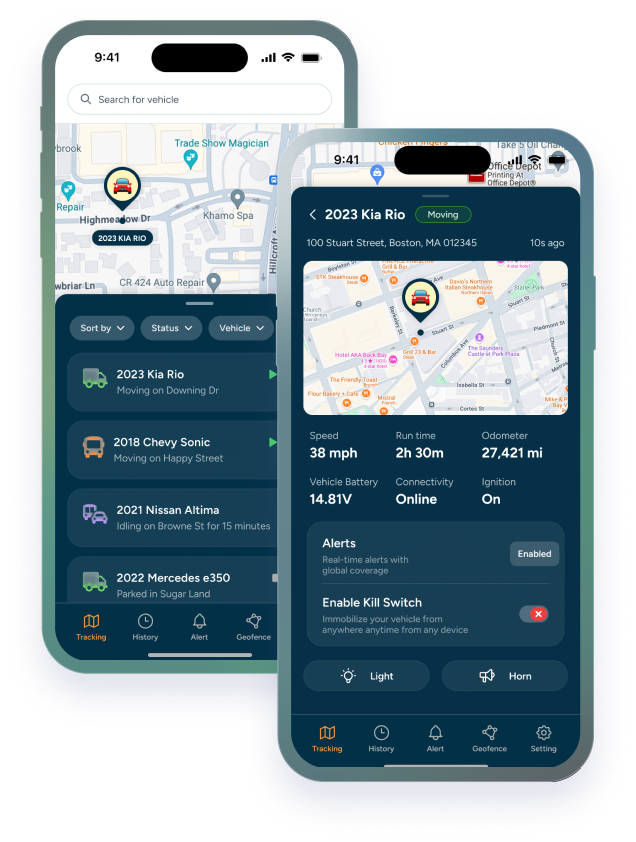
Semi trailer GPS tracking helps fleet owners monitor trailers with location updates, movement alerts, geofencing, and activity history. It can support trailer utilization, security workflows, and day-to-day visibility without relying only on manual check-ins.
This article is for fleet owners, logistics teams, operations managers, and businesses that need a practical way to choose GPS tracking for semi trailers.
TL;DR / Key Takeaways
- Semi trailers need their own tracking strategy because they are often dropped, parked, or moved separately from tractors.
- The right tracker depends on power source, update frequency, placement, durability, alerts, and how trailers are used.
- Useful alerts include movement, geofence, yard, and location-history signals.
- Semi trailer tracking should support broader fleet visibility, not operate as a disconnected asset check.
Why Semi Trailers Need Their Own Tracking Strategy
A semi trailer may spend more time waiting than moving. It can sit at a loading dock, yard, customer site, rest area, or remote lot while the tractor continues elsewhere.
That means a trailer cannot always be managed like a vehicle. It may need a different power approach, different update schedule, and different alert logic.
Trackhawk’s Trailer GPS Tracker page is a strong starting point for fleets that need trailer-specific visibility instead of treating semi trailers like another truck in the system.
What Fleet Owners Should Know Before Choosing a Trailer Tracker
The first decision is not the device. It is the way the trailer is used. A fleet should know whether trailers are usually attached, dropped, stored in yards, transferred between drivers, or parked at customer locations.
From there, the buying criteria become clearer: battery needs, location update frequency, geofence support, movement alerts, device durability, and how easily managers can review trailer history.
For broader trailer protection context, Trackhawk’s article on Trailer Theft Prevention can help fleet owners think through tracking as one part of a wider risk-reduction plan.
Tracking Dropped Trailers, Yard Assets, and Remote Locations
Dropped trailers create some of the biggest visibility questions. A trailer may be left in a yard, staged at a customer location, or moved by someone other than the driver who originally hauled it.
GPS tracking can help show where those trailers are, when they moved, and whether they left expected areas. That is especially useful when operations depend on trailer availability but managers do not want to rely on calls or manual yard checks.
For additional trailer security context, Trackhawk’s guide to Protect Your Trailer can help fleet owners think through practical protection steps alongside GPS visibility.
Trailer Alerts That Matter for Fleet Operations
Not every alert deserves attention. The right trailer alerts should flag meaningful exceptions, not create noise for dispatchers or fleet managers.
For semi trailers, the most useful alerts often involve unexpected movement, geofence exits, yard arrivals or departures, long inactivity, and location-history changes. These signals can help teams respond when a trailer is not where it should be.
The practical goal is simple: alert the right person when trailer activity creates risk or operational confusion.
How Semi Trailer Tracking Supports Business Visibility
Semi trailer tracking is not only about security. It can also help a business understand where trailers are staged, which ones are available, which are tied up, and which may need follow-up.
That visibility matters when trailers are part of a larger fleet operation. Managers need enough information to plan work, reduce manual checks, and respond when an asset moves outside expected use.
For businesses that manage trucks and trailers together, business GPS tracking plans can help connect trailer data to the larger fleet workflow.
Choosing a Tracker for a Semi Trailer Fleet
The right semi trailer tracker should fit the way the fleet operates. Review how long trailers sit, where they are parked, how often they move, who needs visibility, and which alerts should trigger action.
Fleet owners should also consider device placement, power source, update frequency, durability, and whether the system can support multiple trailers without adding unnecessary admin work.
Trackhawk can help fleet owners compare smart GPS solutions for semi trailers based on trailer use, visibility needs, and asset risk.
A good semi trailer tracking setup does not just show location. It gives the business enough context to manage trailers with more confidence.
Frequently Asked Questions
What is semi trailer GPS tracking?
Semi trailer GPS tracking uses GPS devices and software to monitor trailer location, movement, geofences, alerts, and activity history for fleet operations.
Why do semi trailers need a separate tracking strategy?
Semi trailers are often dropped, parked, transferred, or moved separately from tractors, so they may need different power, placement, and alert planning than powered vehicles.
What should fleet owners look for in a semi trailer tracker?
Fleet owners should review battery needs, update frequency, durability, placement, geofencing, movement alerts, location history, and how the system supports multiple trailers.
Can GPS tracking help with dropped trailers?
Yes. GPS tracking can help teams see where dropped trailers are, when they moved, and whether they left expected yards, customer sites, or approved areas.
Does GPS tracking guarantee trailer recovery?
No. GPS tracking cannot guarantee recovery, but it can support response workflows with location visibility, movement alerts, and recent activity history.
How does semi trailer tracking support operations?
Semi trailer tracking helps teams monitor trailer availability, reduce manual checks, review movement history, and respond faster when trailers move unexpectedly or are not where they should be.