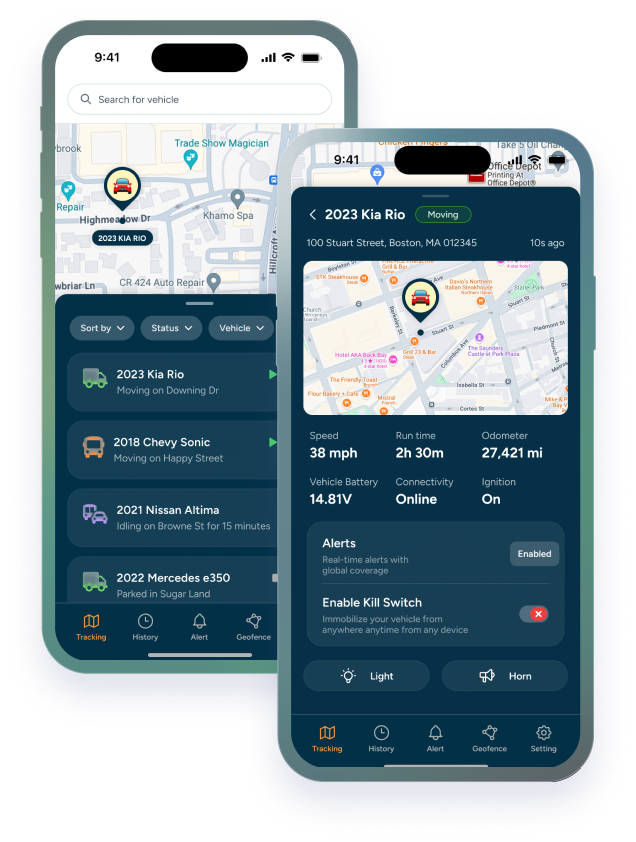

Farm equipment is valuable, mobile, and often spread across places that are difficult to monitor from one office or yard. A tractor may be in a field, an implement may be parked near a barn, and a trailer or utility vehicle may be somewhere between jobs.
That creates a visibility gap. When equipment sits in remote areas, moves between fields, or stays parked overnight, managers may rely on calls, memory, or manual checks to know where it is.
GPS tracking for farm equipment helps agricultural operators monitor tractors, machinery, trailers, and other high-value assets with location data, alerts, and movement history. It can support theft prevention, daily planning, and better control over equipment that is not always easy to see.
This article is for farm owners, operators, and equipment managers who want a practical way to monitor high-value farm assets without overstating what GPS tracking can or cannot do.
TL;DR / Key Takeaways
- Farm equipment visibility is harder when tractors, trailers, and implements move between fields, barns, yards, and remote locations.
- GPS tracking can help monitor high-value agricultural assets with location updates, geofencing, movement alerts, and history.
- Not every farm item needs a tracker; priority should go to assets with high value, mobility, risk, or operational importance.
- Power source, placement, update frequency, and alert settings matter when choosing GPS tracking for farm equipment.
Why Farm Equipment Visibility Is Harder Than It Looks
Farm equipment does not always follow a neat route. It may sit in a field, move between locations, stay parked overnight, or be used by different people depending on the season and the job.
The farther an asset gets from the main yard, the harder visibility becomes.
That is why Equipment & Asset Tracking can be a practical fit for farms with tractors, trailers, portable equipment, and high-value machinery. GPS tracking gives operators a way to check location and movement without turning every question into a manual search.
Which Farm Assets Make Sense to Track
Not every farm item needs GPS tracking. The better starting point is to ask which assets would create the biggest problem if they were missing, moved without notice, or unavailable when work needs to start.
Tractors, utility vehicles, trailers, generators, expensive implements, and portable equipment are common candidates. Asset value matters, but so does mobility, power access, theft exposure, and how often the equipment is shared across fields or teams.
A practical farm tracking plan ranks assets by risk and operational importance. The goal is to protect the equipment that matters most, not to attach a tracker to everything on the property.
How GPS Tracking Helps Monitor Remote Equipment
Picture a tractor parked at a remote field after a long day. If nobody checks it until the next morning, the business may not know whether it stayed in place, moved unexpectedly, or was taken to another location.
GPS tracking can help reduce that uncertainty by giving operators location visibility, movement history, and alerts when equipment leaves an expected area. For rural operations, that kind of visibility can be useful even when the asset is not part of a traditional vehicle fleet.
This is where farm equipment tracking overlaps with broader asset protection. Trackhawk’s article on GPS Tracking for Construction Equipment covers a similar challenge: high-value equipment often sits in field environments where visibility gaps create risk.
Power, Placement, and Update Frequency Matter
Farm equipment tracking is not just a question of “which tracker?” It is also a question of where the tracker goes, how it is powered, and how often the business needs location updates.
A powered tractor may support one type of setup, while a trailer, implement, or portable asset may require a different approach. Placement should also account for weather exposure, equipment use, and the need to keep the device secure.
For a deeper device-level overview, Trackhawk’s guide on GPS Devices for Equipment Tracking can help operators think through equipment-specific tracking needs before choosing a setup.
Using GPS Tracking for Theft Prevention and Daily Operations
It is tempting to think about GPS tracking only as a theft-prevention tool. That matters, but it is not the whole value for farms.
A farm may also use tracking to confirm where equipment is staged, check whether an asset moved after hours, review location history, or reduce calls between teams. GPS tracking can help with security while also supporting daily planning.
The smart move is to set alert rules around the most important exceptions: equipment leaving a field, movement outside expected hours, or assets sitting somewhere they should not be. That keeps tracking practical instead of turning it into a constant stream of notifications.
Building a Farm Equipment Tracking Plan
Start with the machines and assets that matter most: tractors, trailers, generators, utility vehicles, and equipment that is expensive, mobile, or hard to replace quickly. Then decide what each asset needs: location updates, movement alerts, geofencing, or a more rugged device setup.
Farms that also manage pickup trucks, service vehicles, or multiple business vehicles may benefit from connecting equipment tracking with broader business GPS tracking plans. That creates a cleaner view of vehicles and assets together instead of managing each category separately.
Trackhawk can help agricultural operators compare smart GPS solutions based on asset type, field conditions, and the level of visibility the operation needs.
Farm equipment tracking works best when it is practical: protect the assets that matter most, set alerts around real risks, and keep the system simple enough for daily use.
Frequently Asked Questions
What is GPS tracking for farm equipment?
GPS tracking for farm equipment uses GPS devices and software to monitor tractors, trailers, implements, utility vehicles, and other valuable agricultural assets.
Which farm equipment should be tracked first?
Farms should usually prioritize high-value, mobile, or hard-to-replace assets such as tractors, utility vehicles, trailers, generators, expensive implements, and portable equipment.
Can GPS tracking help protect tractors?
GPS tracking can help reduce risk by giving operators location visibility, movement alerts, geofence alerts, and history when tractors move unexpectedly or sit in remote areas.
Does every farm asset need GPS tracking?
No. GPS tracking should be prioritized for assets where value, mobility, exposure, or operational importance justifies the setup.
What should farms consider before choosing a tracker?
Farms should review power source, placement, update frequency, weather exposure, alert needs, device security, and whether the asset is powered or non-powered.
Can farm equipment tracking support daily operations?
Yes. GPS tracking can help operators confirm equipment location, reduce manual check-ins, review movement history, and better coordinate assets across fields and yards.