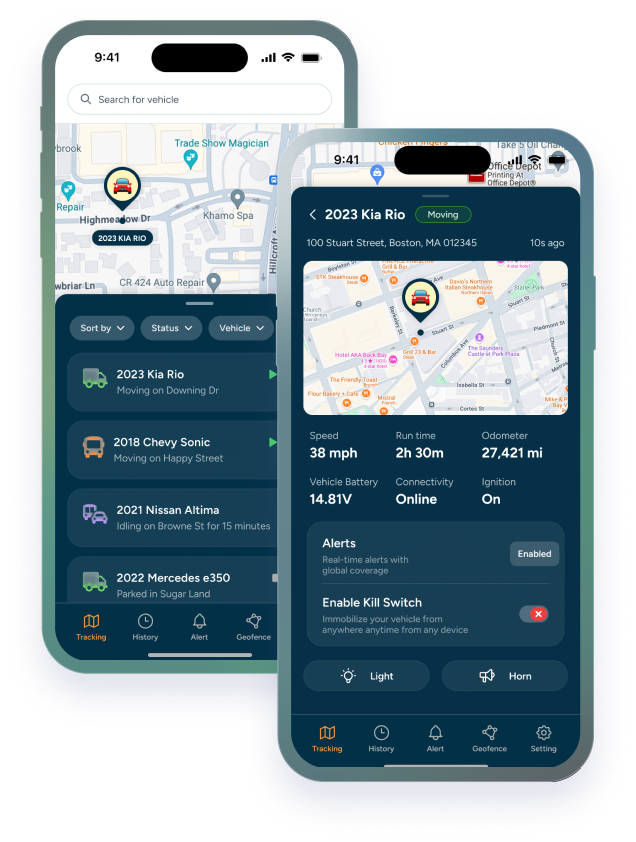

Curious what your vehicles are really doing between the depot and the destination? If you have ever stared at a map full of moving dots and wondered what it all means, you are in the right place. In this beginner friendly guide, we will unpack the basics of fleet gps tracking systems and show you how to turn location data into practical insights.
You will learn what data these tools collect, how to read common dashboards, and which metrics actually matter. We will look at simple ways to spot wasted time, plan smarter routes, and cut fuel costs. Expect plain language explanations of terms like idle time, geofences, ETAs, and driver behavior. We will walk through real world examples that reveal how small tweaks can boost on time performance and safety.
You will also get tips on avoiding common pitfalls, from chasing vanity metrics to overlooking privacy rules. By the end, you will know how to choose a few starter KPIs, set up basic reports, and share clear takeaways with your team. Let’s turn those dots on the map into decisions that move your fleet forward.
The Role of Fleet GPS Tracking Systems Today
How we got here
For years, fleets managed routes and maintenance with clipboards and gut checks. In the 2010s, GPS and basic telematics put vehicles on the map and surfaced speed, idling, and fuel trends. The 2020s added cloud dashboards and AI, unifying location, maintenance, safety, and compliance so teams could act before problems grew. By 2025, systems became connected ecosystems that blend telematics, IoT, and analytics for vehicles, cargo, and drivers. For a quick primer, see the evolution of fleet management. To see the ecosystem shift, read this overview.
What modern fleet GPS tracking systems do
Today’s fleet GPS tracking systems deliver live location, speed, route adherence, and fuel use with exception alerts. They support driver coaching, camera integrations, and digital logs for compliance, which means safer roads and fewer fines. Analytics predict maintenance from engine hours and fault codes, reducing breakdowns and overtime. Precision improves when platforms use GPS, GLONASS, and Galileo instead of a single constellation, especially in cities and remote sites. Security is now table stakes, with encrypted links and role-based access. Action tip, start with idle alerts over 10 minutes and geofences around depots and job sites.
Why adoption is surging
Adoption is surging because results are clear, about 92 percent of fleets now use telematics, and many see ROI quickly. Nearly half report a positive return in under one year, often through fuel savings, route optimization, and lower downtime. The market reflects this, with tracking hardware projected to grow from roughly 17.7 billion dollars in 2026 to 44.7 billion by 2036 near a 10 percent CAGR. One regional fleet cut fuel 8 to 12 percent in a quarter by curbing idling and reassigning stops. At Trackhawk GPS, we are here to add that extra set of eyes so you can focus on work.
Key Benefits of GPS Tracking for Fleet Management
Optimize routes to reduce fuel consumption
Fuel is often your biggest variable cost, commonly 30 percent of operating expenses. With fleet GPS tracking systems like Trackhawk Fleet, you can see every vehicle in real time, then choose faster, less congested routes and curb idling. Fleets that lean on telematics routing often cut idle time about 35 percent, which can save roughly 4,000 gallons a month for 100 vehicles and drive an average 12 percent fuel reduction. Make it practical, alert on idles over 5 minutes, compare planned versus actual mileage daily, and batch nearby jobs to cut deadhead miles. For accuracy in cities and remote sites, prefer devices that read multiple satellite constellations so ETAs and turn guidance stay precise.
Monitor driver safety and compliance in real time
Real-time safety monitoring is like riding shotgun without micromanaging. You get alerts for speeding, harsh braking, cornering, and seatbelt use, so coaching becomes specific and timely. Programs that use behavior scorecards typically see around a 30 percent drop in incidents, plus insurance savings near 18 percent and a 19 percent cut in accident costs. Keep it doable, start with one focus behavior per week, enable in-cab reminders, and log corrective actions for audits. For compliance, automate HOS checks, DVIRs, and route adherence; pair that with encrypted data and role-based access so insights stay protected.
Utilize data analytics for strategic decision-making
The real payoff comes when you turn GPS and telematics into decisions. Predictive analytics can flag components trending toward failure, cutting unplanned maintenance about 42 percent, extending vehicle life roughly 20 percent, and reducing downtime up to 40 percent for fleets that adopt it. Use weekly dashboards to spot routes that burn extra fuel, drivers who need coaching, and regions with recurring delays, then adjust dispatch rules for the next shift. Try small experiments, A/B test two routing policies for a week and keep the winner, or right size by retiring underused assets. Trackhawk GPS brings friendly help turning those insights into everyday workflows.
Cost Reduction through Enhanced Fleet Efficiency
Operational cost savings
Small efficiency wins add up fast when you run vehicles all day. With fleet GPS tracking systems, automated dispatch and smarter routing often trim overtime and squeeze more jobs into the same shift. Studies show 15 to 20 percent fewer overtime hours and 25 to 30 percent better job completion after route optimization, a direct labor saving you can feel in payroll key benefits of GPS fleet management. Safer driving also cuts hidden costs, with users reporting about a 19 percent drop in accident related expenses as coaching curbs speeding and harsh events fleet technology trends. Pair those gains with better documentation and risk scores, and many fleets see up to a 20 percent reduction in insurance premiums over time trends report on fleet technologies.
Fuel efficiency improvements
Fuel is usually your biggest variable expense, so every mile and minute of idling matters. Fleet GPS tracking systems surface long idle periods, harsh acceleration, and speeding, then make coaching simple. Teams that combine route planning with idle alerts commonly report 10 to 15 percent lower fuel spend, especially when they set five minute idle thresholds and promote smoother throttle use. Real time visibility also helps planners dodge congestion, assign the closest qualified vehicle, and verify stop time, which protects miles per gallon. Quick win, flag any vehicle idling more than 30 minutes per day and cut that in half.
Maintenance and repair costs
Staying ahead of repairs is another big saver, and telematics makes it practical. Real time diagnostics, odometer and engine hour tracking, and service reminders move you from calendar based to usage based schedules. Many fleets report roughly a 15 percent drop in maintenance costs, plus fewer road calls and rentals. As analytics deepen and security expectations rise, keeping a clean, encrypted data trail also helps avoid costly errors and downtime. With Trackhawk GPS, you get an extra set of eyes to plan parts and shop time early, so vehicles spend more time on the road and less time in the bay.
Safety First: Monitoring Driver Behavior and Compliance
Real-time visibility is the backbone of safer fleets. With fleet GPS tracking systems, you see location plus behaviors like speeding and harsh braking as they happen, which means coaching can happen the same day, not weeks later. The 2026 Fleet Technology Trends Report found 44 percent of users boosted productivity and 43 percent improved maintenance, which ties directly to fewer roadside issues and incidents. Many fleets also report about 19 percent lower accident costs, 12 percent less fuel use, and 15 percent lower maintenance spending when alerts and coaching are used consistently. Precision matters too, so modern devices use multiple satellite constellations for reliable location in dense cities, helpful for incident reports and insurance claims.
ELD compliance keeps fatigue in check and paperwork clean. ELDs automatically record Hours of Service so your team can prevent overwork, one of the biggest crash risks. The FMCSA ELD site estimates ELDs help avoid 1,844 crashes each year, prevent 562 injuries, and save 26 lives. The agency also updates the list of approved devices and has removed noncompliant models, so it pays to verify yours regularly. Quick wins you can apply today:
- Verify your device on the FMCSA ELD site each quarter and after updates.
- Set alerts as drivers near HOS limits, for example at 60 and 90 minutes remaining.
- Train drivers on edits, annotations, and what supporting documents to keep.
Modern safety toolkits go beyond dots on a map. Driver scorecards summarize speeding, harsh events per 100 miles, idle time, and seat belt use into an easy weekly snapshot. In-cab prompts give gentle, real time nudges so drivers can self correct before a ticket or claim. Predictive analytics spot patterns, like a ramp that frequently triggers hard braking, so you can adjust routes or provide targeted coaching. Look for encrypted data and role based access to protect driver privacy. At Trackhawk GPS, we are here to be that extra set of eyes and a supportive partner, not a pressure meter.
Data-Driven Decisions: Utilizing GPS Analytics
How GPS data powers decisions
Think of fleet GPS tracking systems as your day-to-day decision engine. Real-time and historical data combine to show where vehicles are, how long they dwell, and how closely routes match the plan. That means you can spot a van that spends 45 minutes idling at the yard each morning, a route that consistently runs 12 percent long after 4 p.m., or a service truck that only logs 3 engine hours per shift. You can also quantify on-time arrivals with geofences, not gut feel. With that clarity, choices about dispatching, staffing, and asset allocation stop being guesses and start being confident calls.
Metrics to watch for quick wins
A practical starter dashboard focuses on a handful of metrics that move costs and customer experience. Fuel and idle ratio reveal waste quickly; fleets using real-time reporting have documented up to a 13 percent fuel cost reduction and 17 percent fewer safety incidents when they coach from data, as outlined in smart fleet reporting benchmarks. Route adherence and miles out of route highlight where navigation or job planning needs a tweak. Utilization, think shifts in use per vehicle or hours per asset, helps you right-size, for example, redeploy anything under 60 percent utilization for 4 weeks running. Driver risk scores, built from speeding, harsh events, and phone use, guide targeted coaching. Maintenance countdowns, based on engine hours and fault codes, feed predictive schedules that can cut unplanned downtime by up to 40 percent, according to mixed fleet productivity research.
Turning analysis into action
Set a weekly cadence. Compare last week’s plan to actuals, then run simple A or B tests, for example, two alternate routes for a high-traffic window, and track time on route, early or late arrivals, and fuel per stop. Integrate GPS alerts with dispatch and maintenance calendars so exceptions become work orders, not inbox clutter. Use role-based access and encrypted data sharing to keep insights in the right hands. At Trackhawk GPS, we love helping you set up these dashboards and alerts, so your team gets an extra set of eyes and you can focus on the work that pays the bills.
Asset Protection and Theft Prevention
Real-time tracking for theft prevention
Fleet GPS tracking systems put a protective bubble around your vehicles and equipment. Set geofences around yards, job sites, and high-risk corridors, then get instant alerts if an asset moves after hours or leaves a permitted zone. Pair that with ignition, door, and power disconnect alerts for early warning, even when someone tries to tamper with a device. Precision matters in 2026, so look for multi-constellation GNSS to hold a location lock in urban canyons and remote sites, not just a single satellite system. Modern platforms combine real-time GPS with geofencing and analytics, strengthening deterrence and response, as noted in reviews of real-time GPS and geofencing features. Adding cameras where it makes sense, known as video telematics, can capture context that helps with recovery and claims.
Case studies of successful asset recovery
When theft happens, speed wins. In a documented fleet recovery case, an unauthorized movement alert fired, a live map link was shared with police, and the vehicle was recovered within minutes, avoiding days of downtime and thousands in losses documented recovery case. The playbook is simple and effective: trigger alerts, confirm with a quick call to the driver, escalate to law enforcement, and provide a live location link with breadcrumb history. Practical add-ons help too, like tow and motion alerts for trailers, hidden trackers on high-value attachments, and battery backups that report even when power is cut. Keep a contact tree in your dispatch software so the right people are notified immediately.
Peace of mind for fleet managers
Visibility reduces worry. A single dashboard view, audit trails of who accessed what, and encrypted communication with role-based permissions help ensure the right eyes are on your assets. That cybersecurity-first approach is now standard in fleet tech and aligns with insurance expectations and customer contracts. At Trackhawk GPS, our job is to give you an extra set of eyes so you can focus on the work, not the what-ifs. Set up quarterly alert drills, review geofence coverage as routes change, and you will sleep better knowing help is a tap away.
Conclusion: Integrating GPS Solutions for a Better Fleet
Why integration matters
Fleet GPS tracking systems give you real, usable visibility, not more busywork. The payoff shows up fast: tighter routes, fewer empty miles, safer driving, and assets that stay where they belong. Real time data and alerts help you prevent loss, meet compliance, and schedule maintenance based on usage instead of guesswork. High level analytics now surface trends that cut breakdowns and overtime. Precision matters too, so look for devices that read multiple constellations like GPS, GLONASS, and Galileo for reliable coverage in cities and remote sites.
How to start and scale
Start with a 30 day pilot on 10 to 15 vehicles. Baseline three KPIs, fuel spend, idle time, and on time arrival, then set geofences and an idle threshold. Example: with 15 trucks, trimming idle by 10 minutes per day saves about 55 hours a month; at 0.8 gallons per hour and 4 dollars per gallon, that is roughly 176 dollars saved. Build a coaching cadence, weekly safety reviews and a 20 minute monthly optimization huddle. Prioritize security, insist on encryption and role based access. Choose a partner that makes setup simple and supports you long term. Trackhawk GPS brings that extra set of eyes, plus friendly guidance whenever you need it.