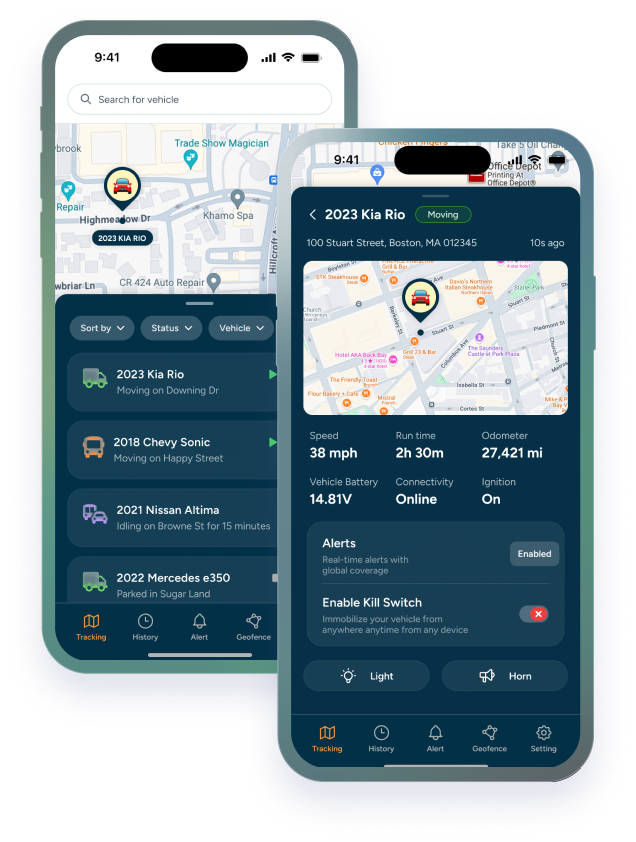

As 2025 comes to a close, business owners are looking for smart ways to reduce their tax burden while preparing their fleets for the year ahead. One often-overlooked strategy? Investing in GPS tracking systems.
Many business owners see GPS tracking as an operational tool, but fewer realize it can also be a smart financial and tax-saving investment. Beyond improving fleet visibility and driver accountability, GPS tracking can help lower your taxable income, improve documentation, and strengthen long-term financial planning.
Upgrading your vehicles with GPS tracking before December 31 can provide deductible expenses, Section 179 benefits, and operational efficiencies that not only save you money on taxes but also improve fleet management, driver safety, and overall profitability.
1. GPS Tracking Is a Deductible Business Expense
GPS tracking hardware, installation, and subscriptions generally qualify as ordinary and necessary business expenses. This includes:
-
GPS devices and installation
-
Dash cams and video telematics hardware
-
Software subscriptions and data plans
By documenting these costs properly, you can reduce taxable income for 2025, meaning less money owed to the IRS while upgrading your fleet.
2. Section 179 of the United States Internal Revenue Code & Depreciation Benefits for GPS Equipment
Investing in GPS systems before year-end can unlock major tax benefits:
Section 179 of the US Internal Revenue Code deductions (immediate expensing): Section 179 allows businesses to deduct the full cost of qualifying equipment or software in the year it’s placed into service, instead of spreading the deduction over several years. This immediate expensing can reduce taxable income for 2025 quickly, giving businesses better cash flow and the ability to reinvest in operations right away.
Straight-line depreciation: Spreads the cost of an asset evenly over its useful life, reducing taxable income gradually each year.
Bonus depreciation (in some cases): Allows businesses to deduct a large portion of an asset’s cost in the first year, similar to Section 179, often for new equipment purchases.
These options let you recover more of your investment faster, while staying compliant with tax regulations.
3. Automatic Mileage Tracking Creates Audit-Ready Documentation
Mileage is one of the most commonly audited deductions. GPS tracking simplifies this with:
Automatic trip logging
Accurate business-use mileage reports
Time-stamped documentation for audits
How to prepare before year-end:
✓ Enable trip logging in your GPS platform
✓ Categorize trips accurately
✓ Save reports for IRS documentation
4. GPS Tracking Reduces Fuel, Maintenance, and Operating Costs
Tax savings aren’t limited to deductions. GPS tracking also improves operational efficiency in ways that reduce overall expenses:
Less idling
More efficient routing
Early detection of maintenance needs
Fewer unauthorized trips
By capturing business-use miles automatically, GPS systems help ensure businesses claim the deductions they deserve, without the risk of incomplete logs or inaccurate estimates.
5. Insurance Savings & Risk Reduction
Many insurers offer discounts for fleets equipped with GPS tracking and dash cameras. GPS data can also:
Reduce accident-related claims
Improve driver behavior
Strengthen safety programs
Support claims documentation
Lower premiums and fewer claims translate to year-after-year deductible savings.
6.Stronger Protection Against Theft and Asset Loss
Stolen vehicles and equipment can create massive financial losses and tax complications. GPS tracking helps:
-
Recover stolen assets faster
-
Reduce insurance claim exposure
-
Protect business capital investments
Preventing loss is just as important as deducting expenses.
Who Benefits Most From GPS Tax Advantages?
GPS tax benefits apply across many industries:
-
Service contractors
-
Delivery & logistics companies
-
Construction fleets
-
Equipment rental businesses
-
Sales fleets & motorpools
-
Buy Here Pay Here dealerships
If vehicles or mobile assets generate revenue, GPS tracking supports both tax efficiency and profitability.
Why GPS Tracking Is a Smart Financial Tool Not Just a Tech Upgrade
While GPS tracking improves daily operations, it also strengthens your financial structure by:
-
Creating audit-ready records
-
Supporting legitimate deductions
-
Reducing waste and fraud
-
Improving long-term cost control
-
Increasing operational transparency
It’s a technology investment that pays off operationally and financially.
Final Takeaway: Act Before December 31
To maximize end-of-year tax benefits, including deductible expenses, depreciation advantages, and potential Section 179 deductions, GPS equipment must be purchased, installed, and placed into service.
Investing in GPS tracking before year-end isn’t just a technology upgrade, it’s a strategic financial move that lowers your 2025 tax bill, improves cash flow, and prepares your fleet for a more efficient and profitable 2026.